History of France
Explore the Journey of a Nation Through Time
The history of France spans centuries of revolution, empire, and cultural brilliance. From medieval monarchies to modern democracy, France has shaped global politics, art, and philosophy. Its enduring legacy reflects a nation continually evolving—honoring its past while leading into the future with strength and vision.
Ancient Gaul and Roman Conquest
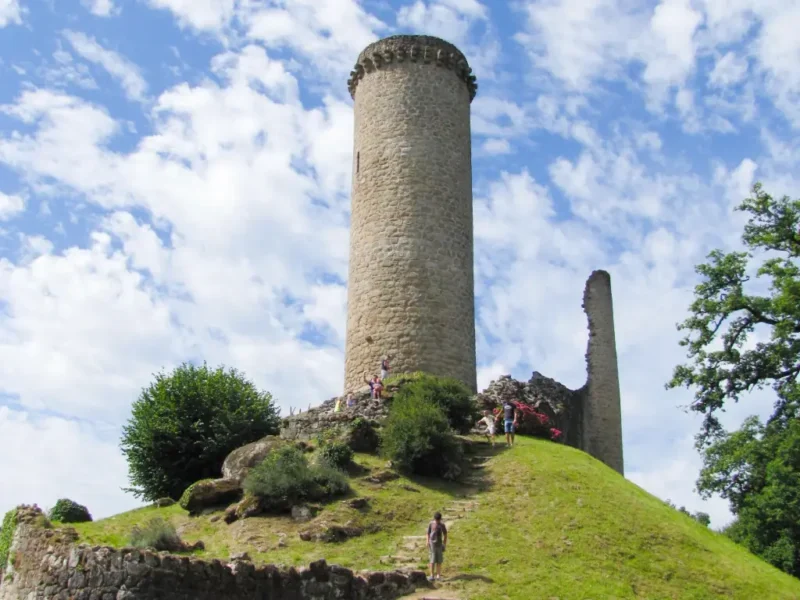
The history of France begins long before the modern nation emerged, with the Celtic tribes known as the Gauls. These ancient people lived across the region we now call France, forming tribal communities with rich cultural traditions, skilled craftsmanship, and a strong warrior spirit. Their society was led by chieftains and druids, who guided both their spiritual and political lives.
The turning point in the early history of France came with the arrival of the Romans. In 58 BCE, Julius Caesar launched a campaign that led to the Roman conquest of Gaul. Over nearly a decade, Caesar’s forces defeated the divided Gallic tribes, culminating in the famous Battle of Alesia in 52 BCE, where Vercingetorix, the great Gallic leader, surrendered.
Under Roman rule, Gaul saw the introduction of Roman laws, language, architecture, and trade networks. Roman cities like Lugdunum and Nemausus became key centers of power and culture. This period was crucial in shaping the foundations of the history of France, blending Roman and Gallic traditions that influenced the nation for centuries to come.
The Middle Ages and the Rise of Feudalism
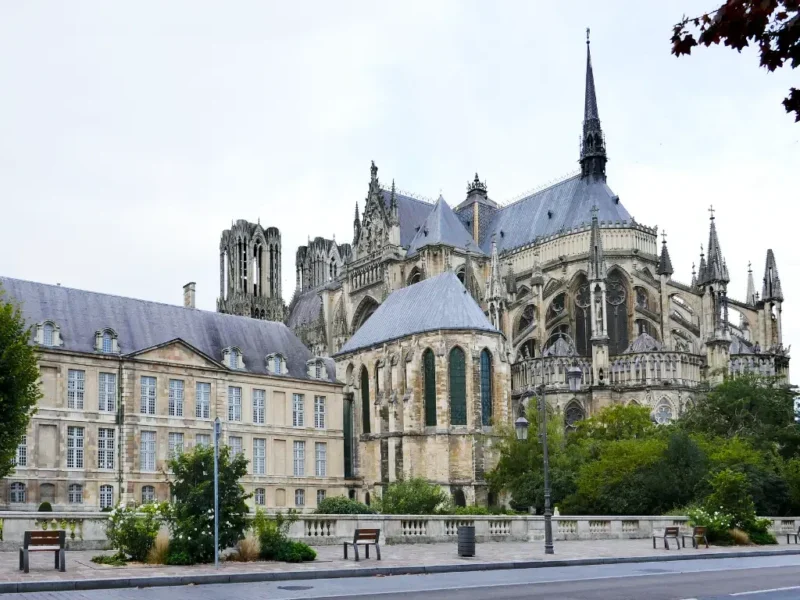
The history of France during the Middle Ages was marked by great transformation, conflict, and the rise of a powerful feudal system. After the fall of the Western Roman Empire in the 5th century, the region that is now France became a patchwork of small kingdoms and territories ruled by Germanic tribes, especially the Franks. The most famous of these rulers, Charlemagne, was crowned Emperor of the Romans in 800 CE, uniting much of Western Europe under his reign and leaving a lasting mark on the history of France.
As central power weakened following Charlemagne’s empire, feudalism emerged as the dominant social and political structure. Local lords gained control over lands and built castles to protect their domains. Peasants, or serfs, worked the land in exchange for protection, while knights served their lords in military campaigns. This period saw the construction of great cathedrals, monasteries, and castles that still stand today.
The Middle Ages laid the groundwork for France’s future as a unified kingdom. Despite invasions, plagues, and internal strife, the history of France in this era shaped its identity through faith, chivalry, and the bonds between land, lord, and king.

The Renaissance and Enlightenment Era
The history of France during the Renaissance and Enlightenment eras marked a time of intellectual awakening, artistic brilliance, and profound cultural change. Beginning in the late 15th century, the French Renaissance was inspired by ideas from Italy, bringing a new focus on humanism, science, and the arts. Monarchs like Francis I became great patrons of architecture, literature, and painting. Magnificent châteaux were built in the Loire Valley, and figures like Leonardo da Vinci spent their final years in France, adding to its cultural legacy.
By the 17th and 18th centuries, France became the heart of the Enlightenment — an age that questioned tradition and championed reason, liberty, and equality. Thinkers such as Voltaire, Rousseau, and Montesquieu shaped not just the history of France, but also influenced revolutions and reforms across the world. Their writings challenged absolute monarchy and promoted ideas that would fuel the French Revolution.
This period saw France emerge as a leader in philosophy, science, and the arts. The Renaissance and Enlightenment were key chapters in the history of France, setting the stage for modern democracy and human rights.
The French Revolution and the Fall of Monarchy
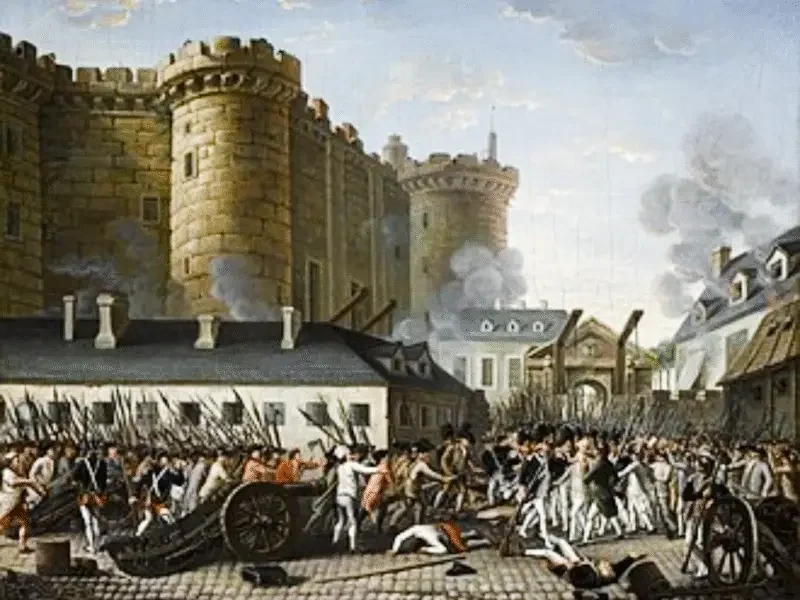
A defining moment in the history of France came with the French Revolution, which began in 1789. The Revolution was driven by deep economic crisis, social inequality, and widespread anger at the absolute monarchy led by King Louis XVI. Inspired by Enlightenment ideas, common citizens — from peasants to the emerging middle class — rose against the ancient regime that had ruled France for centuries.
The storming of the Bastille on July 14, 1789, became a powerful symbol of freedom and the fight against tyranny. Soon after, the National Assembly abolished feudal privileges and declared the Declaration of the Rights of Man and of the Citizen, a document that remains a cornerstone in the history of France.
The monarchy’s fall was sealed when King Louis XVI and Queen Marie Antoinette were executed by guillotine in 1793. France was declared a republic, but the years that followed were marked by political chaos, violence, and the rise of Napoleon Bonaparte. The French Revolution not only transformed the history of France, but also reshaped political ideals across the globe.

Napoleon and the French Empire
The rise of Napoleon Bonaparte is one of the most dramatic chapters in the history of France. After the chaos of the French Revolution, Napoleon emerged as a brilliant military leader who promised order and stability. In 1804, he crowned himself Emperor of the French, marking the birth of the French Empire.
Napoleon’sreign reshaped the history of France through ambitious reforms and military conquests. He introduced the Napoleonic Code, a legal system that influenced not only France but many other nations. Under his rule, France modernized its administration, education, and economy.
On the battlefield, Napoleon expanded French territory across much of Europe. Victories at Austerlitz, Jena, and Wagram made him a legend. However, his ambitions ultimately led to downfall. The disastrous invasion of Russia in 1812 and defeat at the Battle of Waterloo in 1815 ended his empire.
Despite his fall, Napoleon’s impact on the history of France remains profound. His legacy of legal, military, and administrative reforms continues to shape modern France and its identity on the global stage.

19th Century Industrialization and Social Change
The 19th century was a period of dramatic transformation in the history of France. Following the fall of Napoleon, France entered an age marked by industrial growth, urban expansion, and deep social changes. The Industrial Revolution, which had begun in Britain, spread to France and altered the nation’s economic landscape.
Factories rose in cities like Lyon, Lille, and Paris, bringing new opportunities and challenges. Railroads, steam power, and mechanized production revolutionized industries such as textiles, steel, and coal mining. This period saw a shift from rural, agrarian life to urban living, as thousands of workers flocked to growing cities in search of jobs. These changes contributed to both economic progress and stark inequalities, sparking labor movements and demands for workers’ rights.
Politically, the 19th century in the history of France was unstable, with frequent regime changes — from monarchy to republic to empire and back again. The rise of socialism, feminism, and republican ideals reflected the struggles of a society trying to balance tradition with modernity. This era shaped France’s identity as an industrial power and set the stage for social reforms in the 20th century.
France During World War I and II
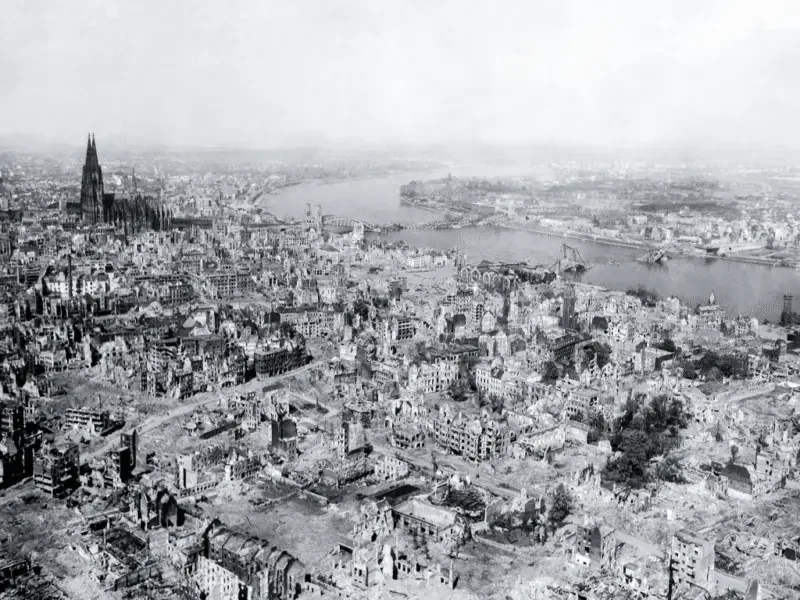
The history of France during World War I and World War II was marked by profound upheaval, sacrifice, and resilience. In World War I (1914–1918), France was a key member of the Allied Powers. Much of the war’s devastation occurred on French soil, particularly in the northeast. Battles such as the Somme and Verdun symbolized the immense human cost. Over 1.3 million French soldiers were killed, and the country’s infrastructure and economy were severely damaged.
In the history of France, World War II (1939–1945) brought further turmoil. Germany invaded in 1940, leading to France’s quick defeat and occupation. The northern part of the country fell under direct German control, while the Vichy regime, a German puppet government, controlled the south. The French Resistance, a courageous underground movement, actively opposed Nazi occupation, sabotaging operations and aiding the Allies. In 1944, France was liberated following the D-Day landings in Normandy.
Both wars reshaped the history of France, leading to political shifts, economic transformation, and a reevaluation of France’s global role. These conflicts deeply impacted French identity and memory, contributing to the founding of the European Union as a means of ensuring peace in the region.
The Birth of the Fifth Republic
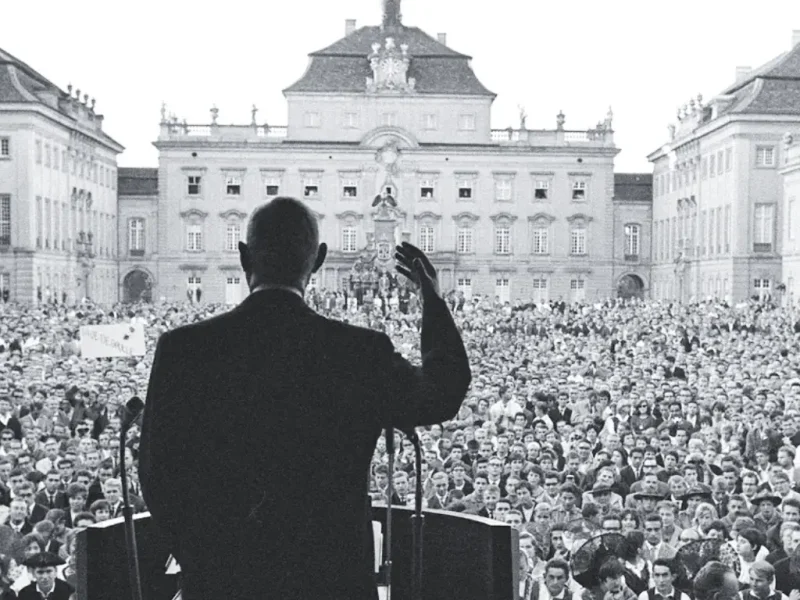
The history of France took a pivotal turn with the birth of the Fifth Republic in 1958. After years of political instability under the Fourth Republic, marked by frequent changes in government and growing unrest over the Algerian War of Independence, France faced a constitutional crisis. The military’s dissatisfaction and fears of a potential coup prompted calls for strong leadership.
Charles de Gaulle, a revered leader from World War II, was invited to return to power. He agreed under the condition that a new constitution be drafted. On October 4, 1958, the Fifth Republic was officially established, introducing a semi-presidential system that granted more power to the executive branch, especially the President. De Gaulle became the first President of the Fifth Republic, shaping a stronger and more stable political system.
The new constitution aimed to prevent the weaknesses of previous republics and brought much-needed political continuity. It also played a key role in resolving the Algerian conflict, leading to Algerian independence in 1962. The history of France was forever changed, as the Fifth Republic created a durable framework that remains in place today, strengthening France’s democratic institutions and modernizing its role in both Europe and the wider world.

France in the European Union
The history of France is deeply intertwined with the creation and evolution of the European Union (EU). As a founding member, France played a crucial role in shaping the vision of a unified Europe after the devastation of World War II. Alongside Germany, Italy, Belgium, the Netherlands, and Luxembourg, France signed the Treaty of Paris in 1951, establishing the European Coal and Steel Community—a key step toward economic integration and peace.
In 1957, France further committed to European unity by signing the Treaty of Rome, which created the European Economic Community (EEC). French leaders, notably Jean Monnet and Robert Schuman, were instrumental in promoting European cooperation. Their vision aimed to prevent future wars through shared economic and political interests.
France has since remained a central force in EU development, supporting the introduction of the euro in 1999 and promoting stronger political union. However, French citizens have at times expressed skepticism, such as in 2005 when they rejected the proposed EU Constitution in a national referendum.
Despite occasional tensions, France continues to shape EU policies on defense, agriculture, and climate change. The history of France within the European Union reflects a commitment to unity, stability, and leadership in the broader European project.

Contemporary France: Culture and Society
In the modern era, the history of France is marked by its rich cultural heritage and dynamic society. Contemporary France is a global center of art, fashion, cuisine, and intellectual life. Cities like Paris, Lyon, and Marseille serve as cultural hubs, blending historical legacy with modern innovation. French cinema, literature, and philosophy continue to influence global thought, with figures like Simone de Beauvoir and Michel Foucault shaping contemporary discourse.
Post-World War II immigration significantly transformed French society, bringing diverse cultures from former colonies in Africa, Asia, and the Caribbean. This multicultural influence is visible in food, music, language, and festivals. However, it has also led to ongoing debates about secularism, national identity, and integration.
France remains a strong advocate for laïcité, or secularism, which shapes its public institutions and policies. Education, healthcare, and social welfare are central to its identity as a modern welfare state. The country also plays a key role in global diplomacy, environmental policy, and human rights.
The history of France today reflects both continuity and change—a nation proud of its past yet constantly evolving. Contemporary France balances tradition with modern values, striving to remain a beacon of culture, democracy, and innovation in the 21st century.
Conclusion: France’s Enduring Legacy
The history of France is a tapestry of revolution, resilience, and remarkable cultural influence. From the birth of democracy during the French Revolution to its leadership in the European Union, France has played a defining role in shaping modern Western civilization. Its legacy is rooted in a deep commitment to liberty, equality, and fraternity—values that have inspired political movements and democratic ideals around the world.
France’s contributions to art, science, literature, and philosophy remain unmatched. Thinkers like Voltaire, Rousseau, and Sartre, and artists like Monet and Degas, continue to shape global culture. The country’s architectural landmarks—from Gothic cathedrals to modern designs—tell the story of a nation where tradition and innovation coexist.
France has also shown resilience through conflict and change. It emerged from two world wars, decolonization, and political turmoil to become a leader in diplomacy, education, and human rights. Today, France continues to influence international affairs while reflecting on its own evolving identity.
In essence, the history of France is not just a record of the past—it is a living narrative that continues to impact the present and future. France’s enduring legacy lies in its ability to adapt, inspire, and lead across centuries of profound global transformation.