Art and Culture - Explore the
Soul of French
A vibrant journey through the essence of French Art and Culture
Dive into the heart of French Art and Culture—a timeless blend of creativity, history, and expression. From iconic masterpieces to regional crafts, France’s artistic spirit continues to inspire the world. Experience the essence of French Art and Culture in every stroke, sound, and story.
A Heritage Steeped in Creativity
France’s rich artistic legacy is a cornerstone of global civilization. From the Gothic cathedrals of the Middle Ages to the revolutionary strokes of Impressionism, French Art and Culture have long shaped the world’s creative landscape. Masters like Monet, Rodin, and Delacroix left indelible marks, while architectural wonders such as the Palace of Versailles and Notre-Dame reflect the nation’s devotion to aesthetic excellence.
The Renaissance brought a renewed cultural vigor to France, inspiring advancements in literature, sculpture, and visual arts. The Enlightenment, meanwhile, merged philosophy with artistic ambition, giving rise to salons that nurtured thinkers and creators alike.
In the 20th century, movements such as Cubism and Surrealism further solidified France’s place at the forefront of innovation. Today, contemporary artists continue to build on this heritage, blending tradition with modern expression.
French Art and Culture remain a living dialogue between past and present, celebrating diversity, identity, and imagination. Whether preserved in world-renowned museums or expressed in local ateliers, this legacy offers a journey into the soul of a nation that lives and breathes creativity.
The world continues to turn to French Art and Culture for inspiration, proof of its enduring influence and beauty.
Art Movements That Defined Generations
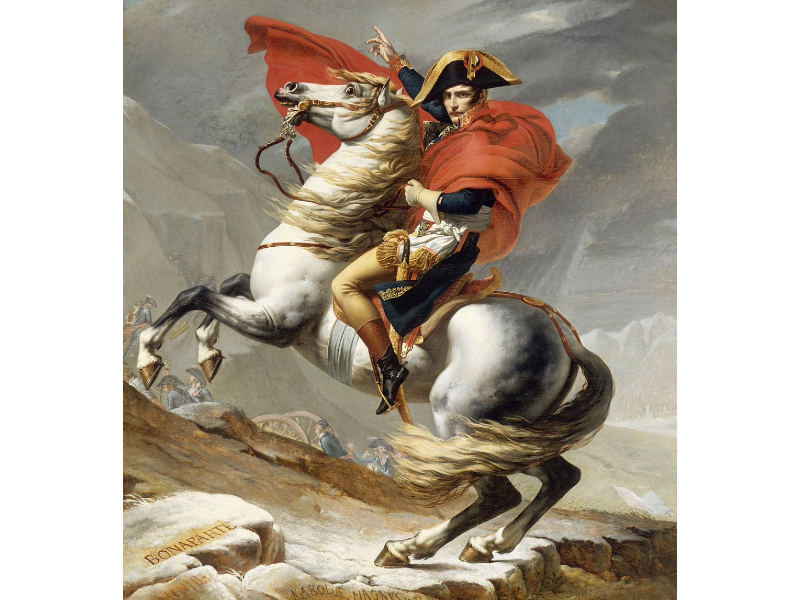
Throughout history, French Art and Culture have ignited revolutionary artistic movements that transformed the global art scene. From the refined elegance of Neoclassicism to the emotional intensity of Romanticism, France consistently redefined how the world perceives and creates art.
The 19th century saw the rise of Impressionism, born in Paris with artists like Monet, Renoir, and Degas leading a radical shift away from academic tradition. Their loose brushwork and focus on light changed visual storytelling forever. Post-Impressionists like Cézanne and Gauguin expanded these ideas, pushing toward abstraction and symbolism.
In the early 20th century, Paris became the heartbeat of avant-garde movements. Cubism, led by Picasso and Braque, broke forms into geometric abstraction. Surrealism, pioneered by Breton and Dalí, dove into the subconscious, merging dreams with artistic expression. These movements not only reshaped modern art but also reflected the deeper intellectual and emotional undercurrents of the time.
Today, the influence of French Art and Culture endures in contemporary creations, from street art in Marseille to digital installations in Paris. Each movement, past and present, reflects a society constantly evolving yet deeply rooted in its creative heritage—proof that French Art and Culture continues to define generations.
France’s Must-Visit Art Museums
Museums in France are more than galleries—they’re living testaments to French Art and Culture. From Paris to Provence, these cultural sanctuaries house masterpieces that span centuries, offering a deep dive into the nation’s artistic soul.
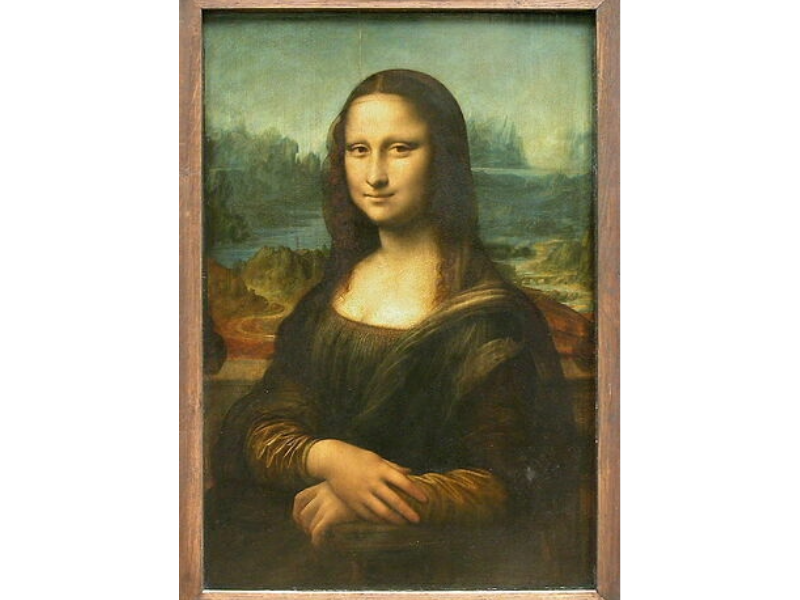
The Louvre, the world’s most visited museum, is a crown jewel of French Art and Culture. Home to the Mona Lisa, it showcases classical antiquities, Renaissance treasures, and French royal collections. Nearby, the Musée d’Orsay dazzles with Impressionist and Post-Impressionist works by Monet, Van Gogh, and Degas, set in a stunning Beaux-Arts railway station.
For modern art lovers, the Centre Pompidou features bold contemporary works and interactive exhibits. The Musée de l’Orangerie, with Monet’s Water Lilies, offers a tranquil experience amid the hustle of Paris.
Beyond the capital, regional museums like the Musée des Beaux-Arts in Lyon and the MUCEM in Marseille highlight local interpretations of French Art and Culture. Each museum tells a different story—of identity, innovation, and heritage.
These institutions are not just places to admire art; they are gateways to understanding French Art and Culture in all its depth and diversity. A visit to any of them is an essential part of exploring France’s creative legacy.
The Rhythm of French Creativity
Music and performing arts are vital threads in the fabric of French Art and Culture, echoing the nation’s passion, elegance, and innovation. From classical compositions to street performances, France pulses with a rhythm that transcends time.
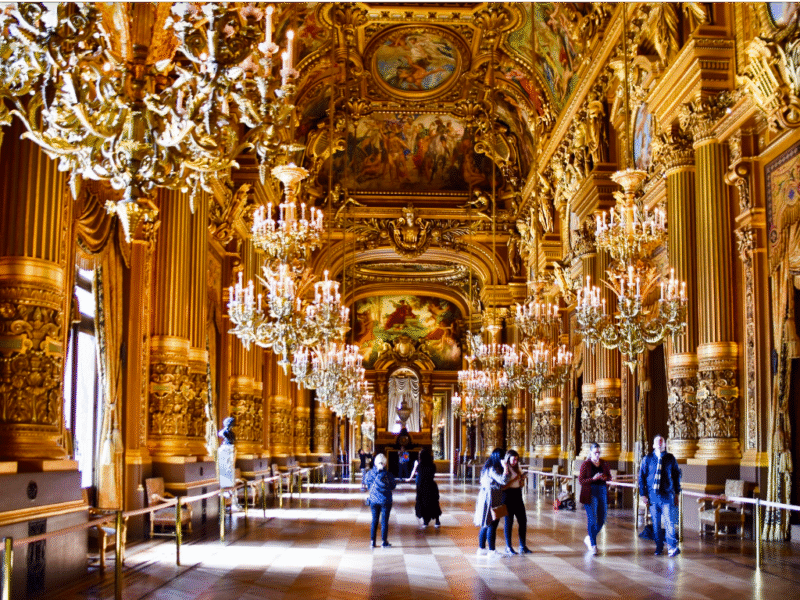
French opera, ballet, and symphonic music flourished in grand venues like the Palais Garnier and Opéra Bastille. Composers such as Debussy, Ravel, and Berlioz contributed richly to the global music canon, blending emotion with technical brilliance. Their legacies remain central to French Art and Culture, performed regularly in world-class institutions.
But creativity doesn’t end in the concert hall. Chanson française, with legends like Édith Piaf and Charles Aznavour, brought poetic storytelling to everyday life. Today, French music embraces hip-hop, electro, and world influences, reflecting the nation’s cultural diversity.
Theatre and dance are equally celebrated. From the Avignon Festival’s experimental stagecraft to contemporary street theatre in Nantes, performance art is accessible and alive. France’s vibrant artistic rhythm is also visible in jazz bars, cabarets, and even subway stations.
Through music and movement, French Art and Culture reveals its soul—a fusion of tradition and transformation that continues to inspire and captivate audiences around the world.
Words That Changed the World
Literature and philosophy are pillars of French Art and Culture, shaping not only France but also the intellectual and creative currents of the world. From medieval poetry to modern existentialism, French writers and thinkers have influenced generations through words that challenge, comfort, and provoke.
The Enlightenment period saw great minds like Voltaire, Rousseau, and Montesquieu use literature and philosophy to advocate for reason, liberty, and reform. Their writings became the foundation for revolutions and democratic ideals—an essential legacy of French Art and Culture.
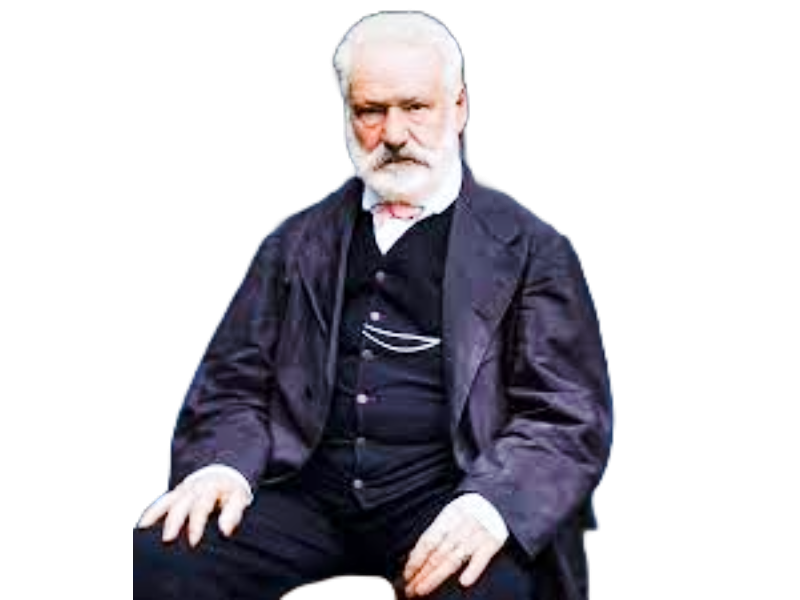
In the 19th century, authors like Victor Hugo, Gustave Flaubert, and Émile Zola explored human emotion, social injustice, and the complexity of modern life. Their novels, rich in narrative and meaning, remain classics studied across the globe.
The 20th century brought bold new voices—Jean-Paul Sartre and Simone de Beauvoir redefined freedom and identity through existential thought, while Albert Camus explored absurdism with profound literary depth.
Today, French authors continue to innovate, blending tradition with new perspectives from diverse communities. Literature festivals, independent bookshops, and café discussions across France testify to a nation still deeply engaged with ideas.
Through literature and philosophy, French Art and Culture continues to offer powerful words that truly changed—and still shape—the world.
French Cinema Through the Ages
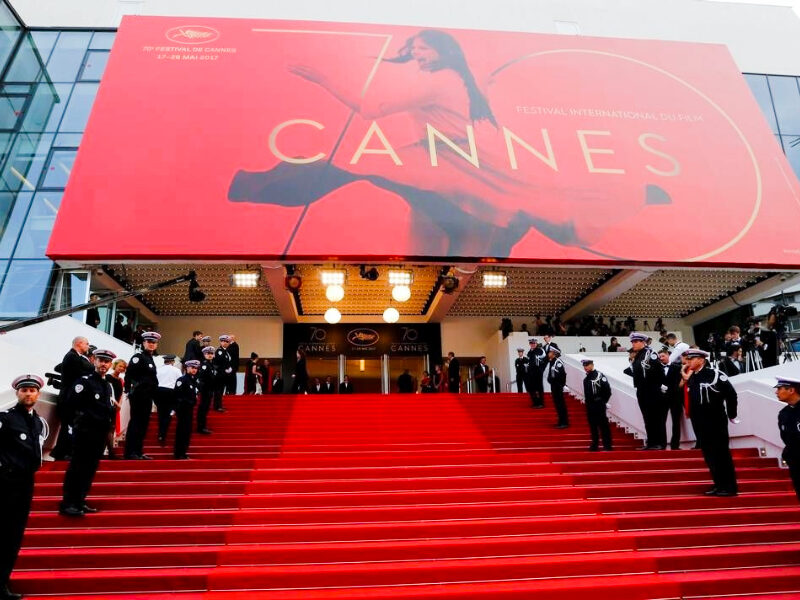
Cinema is a cornerstone of French Art and Culture, celebrated for its innovation, storytelling, and global influence. As the birthplace of film, France has shaped the medium since the Lumière brothers first screened moving images in 1895. From that moment, French cinema became both a mirror and a shaper of society.
The Golden Age of French cinema in the 1930s brought poetic realism, with filmmakers like Jean Renoir and Marcel Carné crafting emotionally rich, visually stunning works. Post-World War II, the French New Wave revolutionized film with directors like Jean-Luc Godard and François Truffaut breaking conventions and redefining cinematic language.
Their bold, experimental approach became iconic, elevating film as a serious art form and further embedding it into French Art and Culture. Themes of identity, politics, and personal freedom were explored with depth and creativity.
Contemporary French cinema remains diverse and dynamic. From powerful dramas and thought-provoking documentaries to quirky comedies and animated features, it continues to reflect the complexity of French society. International stars and auteurs alike contribute to this living tradition.
As a cultural force, French film embodies the heart of French Art and Culture—intellectual, emotional, and unapologetically original, across generations and genres.
Haute Couture and Heritage
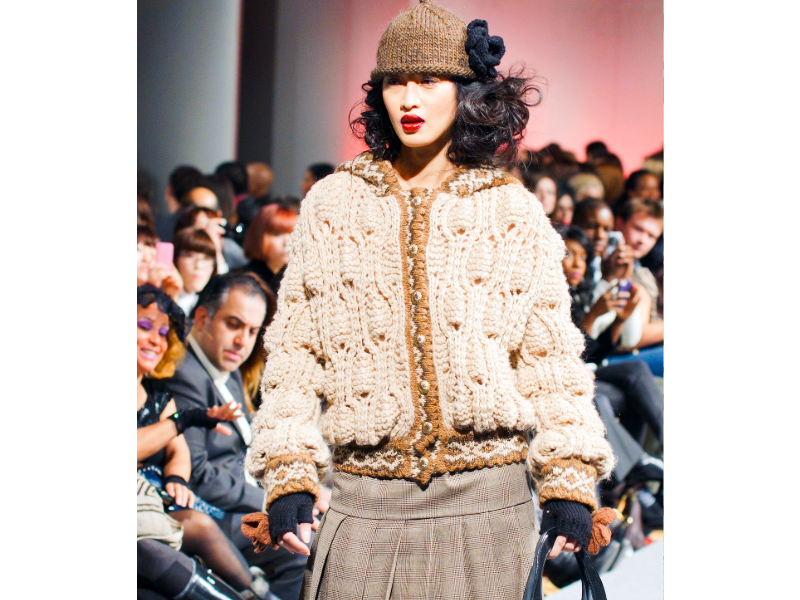
Fashion is one of the most iconic expressions of French Art and Culture, blending elegance, craftsmanship, and innovation. From the salons of Paris to the ateliers of Lyon, France has long been a global leader in haute couture, where clothing becomes art.
The tradition dates back to the 17th century, when the French court under Louis XIV made fashion a symbol of power and prestige. By the 20th century, designers like Coco Chanel, Christian Dior, and Yves Saint Laurent transformed fashion into a refined cultural force. Their groundbreaking styles not only revolutionized clothing but also redefined femininity and luxury—deeply embedding themselves in French Art and Culture.
Haute couture is more than design; it’s about preserving centuries-old techniques like embroidery, draping, and hand-sewing. Each piece tells a story of artistic dedication, reflecting the values of precision and beauty that define French Art and Culture.
Today, France remains a fashion capital. Paris Fashion Week draws global attention, showcasing both tradition and innovation. New designers continue to honor the heritage while pushing creative boundaries.
Whether found in museum exhibits or on the runways, French fashion remains a living, evolving form of French Art and Culture—timeless, influential, and unmistakably elegant.
The Local Roots of French Creativity
Beyond the grand museums and Parisian galleries, the heart of French Art and Culture thrives in its diverse regions. Local crafts, folk traditions, and regional artistry are vital threads in the nation’s cultural fabric, offering a more intimate and authentic expression of creativity.
In Provence, artisans craft delicate pottery and hand-printed textiles using centuries-old techniques. In Brittany, Celtic influences shine through in traditional music, embroidery, and woodwork. The Basque Country celebrates French Art and Culture with bold geometric weaving and spirited festivals that blend French and Spanish heritage.
Each region tells its own story through local craftsmanship—be it Alsace’s painted ceramics, Auvergne’s sculpted stonework, or the lace-making of Normandy. These practices are passed down through generations, preserving cultural identity while inspiring contemporary creators.
Local markets, village workshops, and regional festivals offer immersive experiences that connect visitors with the roots of French Art and Culture. They remind us that creativity in France isn’t just found in the elite or urban—it lives in rural traditions, hands-on skills, and community expression.
By celebrating these local voices, French Art and Culture remains vibrant, grounded, and ever-evolving—anchored in heritage, yet open to innovation and diversity.
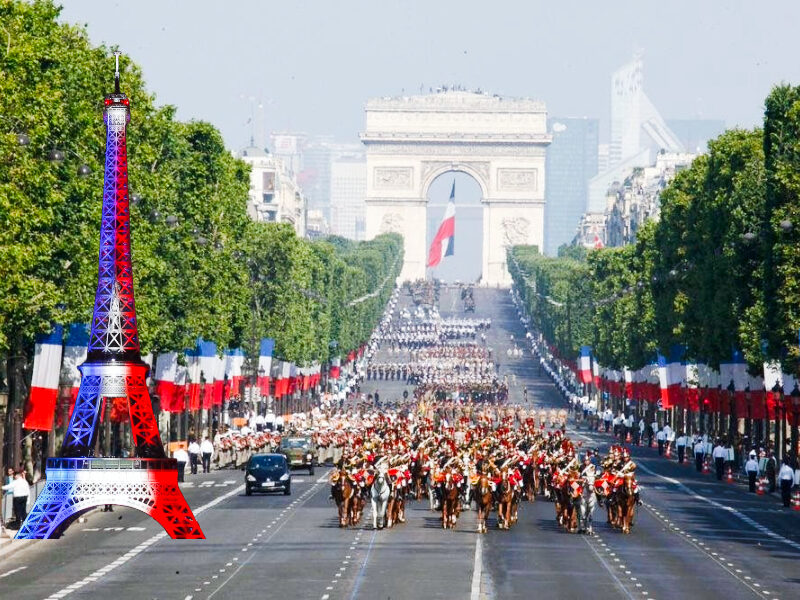
Celebrate the Spirit of France
Festivals, traditions, and cultural celebrations are at the heart of French Art and Culture, bringing communities together in joyful expressions of identity and heritage. Throughout the year, France hosts a vibrant calendar of events that reflect its artistic soul and deep-rooted customs.
From the dazzling Bastille Day fireworks over Paris to intimate village fêtes, every celebration carries the rhythm of French Art and Culture. Music, dance, food, and art unite people of all ages in shared cultural pride. Events like the Cannes Film Festival, Festival d’Avignon, and Fête de la Musique showcase the country’s creative excellence on an international stage.
Local festivals—such as Provence’s lavender harvest, Lyon’s Fête des Lumières, or Breton folk celebrations—offer rich insight into the regional diversity that defines French Art and Culture. These traditions often include handmade crafts, storytelling, traditional costumes, and culinary delights that connect the past to the present.
Celebrating the spirit of France means embracing both its elegance and its earthy roots. It’s where art meets everyday life, where history is relived through performance, and where culture remains alive in every song, dish, and dance.
Through these celebrations, French Art and Culture reveals its most joyful and unifying expression.
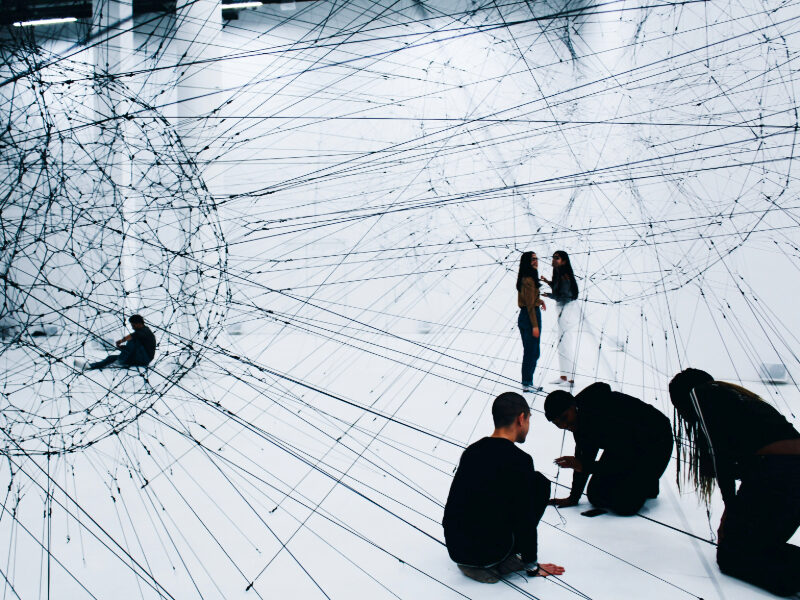
Modern Artists and Emerging Trends
In the 21st century, French Art and Culture continue to evolve through the bold visions of modern artists and innovative trends that reflect contemporary society. Today’s creators blend tradition with experimentation, using new media, technology, and global influences to express the changing face of France.
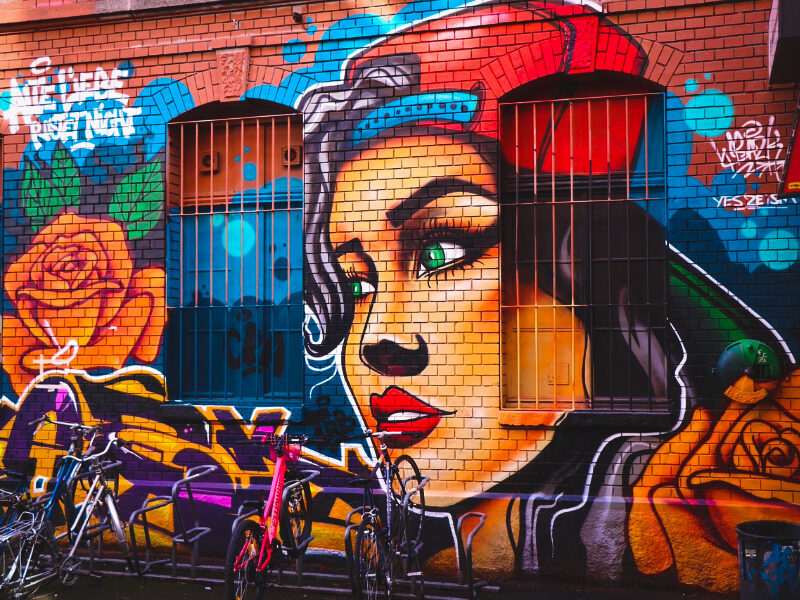
From urban murals in Lyon and Marseille to digital installations in Parisian galleries, street art and multimedia works are reshaping public and private spaces. Artists like JR, known for large-scale photographic projects, and Cyprien Gaillard, who explores architecture and decay, are redefining how French Art and Culture are experienced.
Contemporary French art embraces diversity and dialogue, with artists from varied backgrounds bringing new voices to the national conversation. Themes of identity, migration, climate, and social justice are central to many emerging works. Platforms like the Palais de Tokyo and Nuit Blanche festival champion these fresh perspectives, offering a stage for experimentation.
What makes today’s French Art and Culture so dynamic is its openness—its readiness to question, reinvent, and connect with a global audience. Through installations, performance art, and virtual experiences, France remains a vibrant creative hub.
Modern artists are not just continuing a legacy—they are expanding it, ensuring French Art and Culture remains alive, relevant, and visionary.
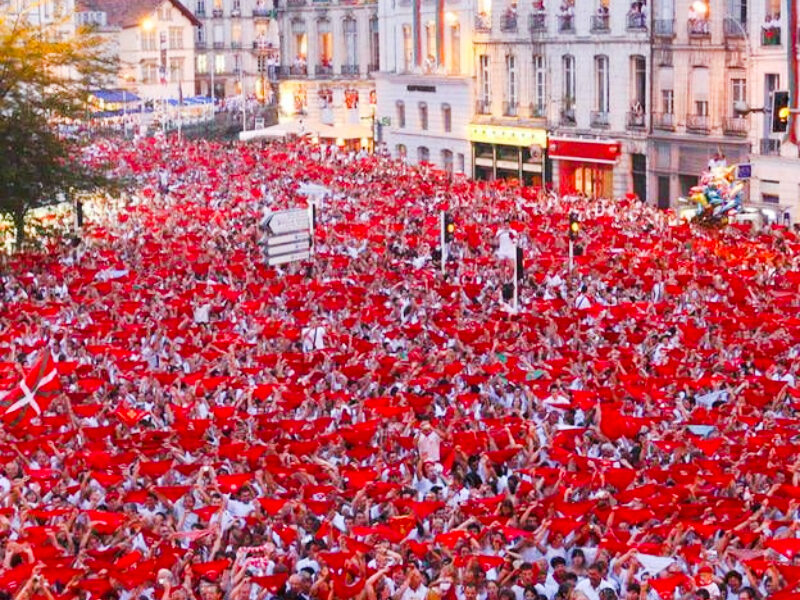
Explore Art & Culture by Region
To truly understand French Art and Culture, one must look beyond Paris and explore the rich artistic traditions found across France’s diverse regions. Each area offers a unique cultural identity shaped by geography, history, and local craftsmanship, creating a vibrant mosaic of creativity.
In Provence, light-filled landscapes inspired Impressionist painters and continue to attract artists with its lavender fields, pottery, and traditional santon figurines. Brittany blends Celtic heritage with maritime folklore, expressed through music, embroidery, and storytelling festivals. In Alsace, timber-framed villages and ornate ceramics reveal a fusion of French and German influences—a vital part of French Art and Culture.
The Loire Valley, with its Renaissance châteaux, celebrates classical art and sculpture, while Occitanie and the Basque Country offer bold folk traditions, dance, and regional painting styles. Even in Corsica, ancient traditions and island life shape unique musical and visual art forms.
Each region contributes to the living tapestry of French Art and Culture, offering travelers the chance to engage with local artists, explore historic studios, and attend regional art fairs. Whether it’s a mural in Lyon or lace-making in Normandy, exploring by region reveals the depth, diversity, and enduring spirit of French Art and Culture in every corner of the country.