Food and Lifestyle of France

Discover the rich food traditions and vibrant lifestyle of France with
Nomade de France.

Explore the rich culinary traditions and vibrant lifestyle of France, from timeless recipes to modern dining experiences.

French Culinary Heritage

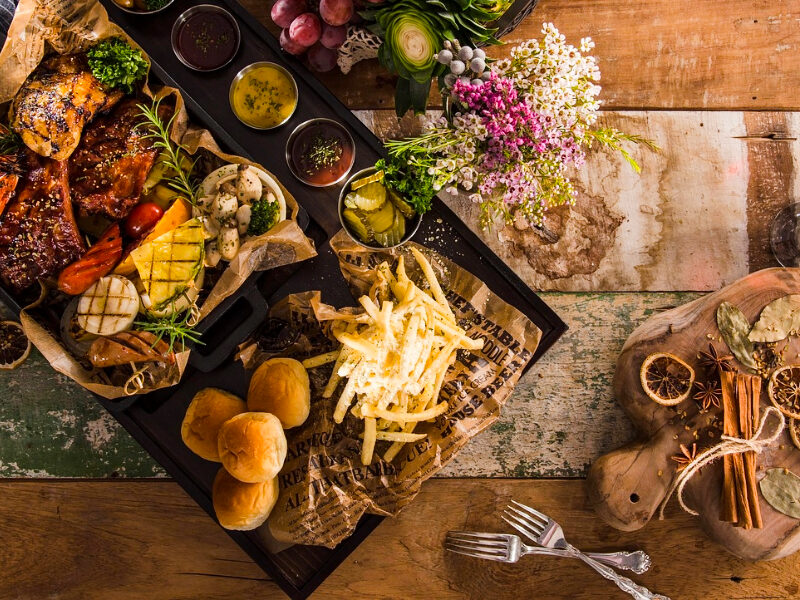
The rich and diverse food and lifestyle of France are deeply rooted in its culinary heritage, which spans centuries of tradition and innovation. French cuisine is more than a collection of recipes—it is a reflection of French culture, history, and regional pride. From the grandeur of royal banquets to the rustic simplicity of farm kitchens, food in France has always been an art form.


Classic dishes like coq au vin, bouillabaisse, and cassoulet tell stories of local ingredients and age-old techniques passed down through generations. Culinary institutions such as Le Cordon Bleu have helped elevate French cuisine on the world stage, making it synonymous with quality and refinement.


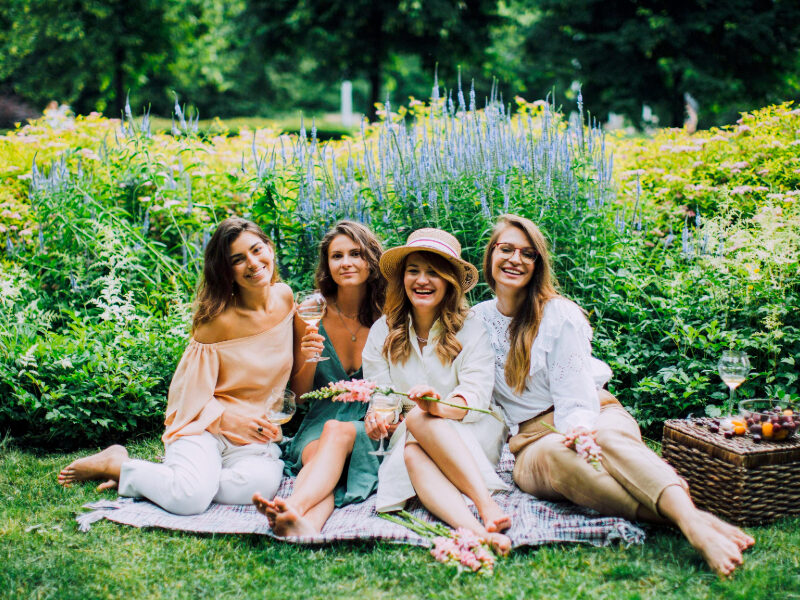
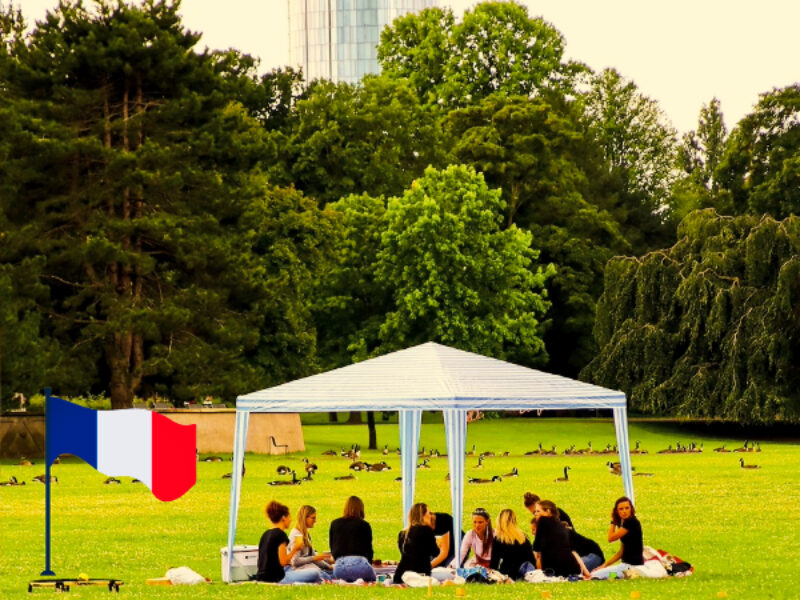
But the food and lifestyle of France go beyond what’s on the plate. Mealtime is a cherished ritual, offering moments of connection and joy. Whether it’s a long Sunday lunch with family or an impromptu picnic with friends, dining is a cornerstone of French daily life.


The French culture of food respects seasonality, craftsmanship, and shared experience. Today, this heritage continues to evolve with modern influences, yet remains anchored in timeless values. It’s this unique blend of tradition and contemporary flair that keeps French cuisine globally revered.

The Art of French Baking

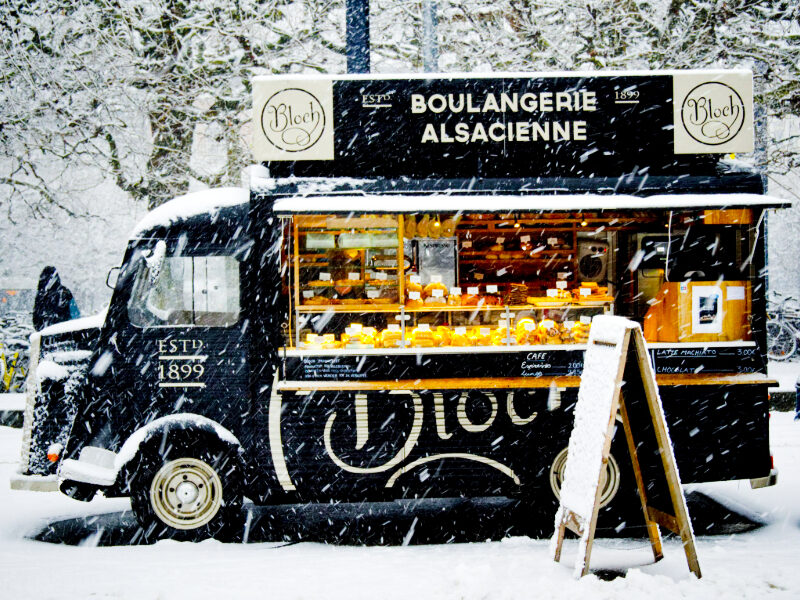
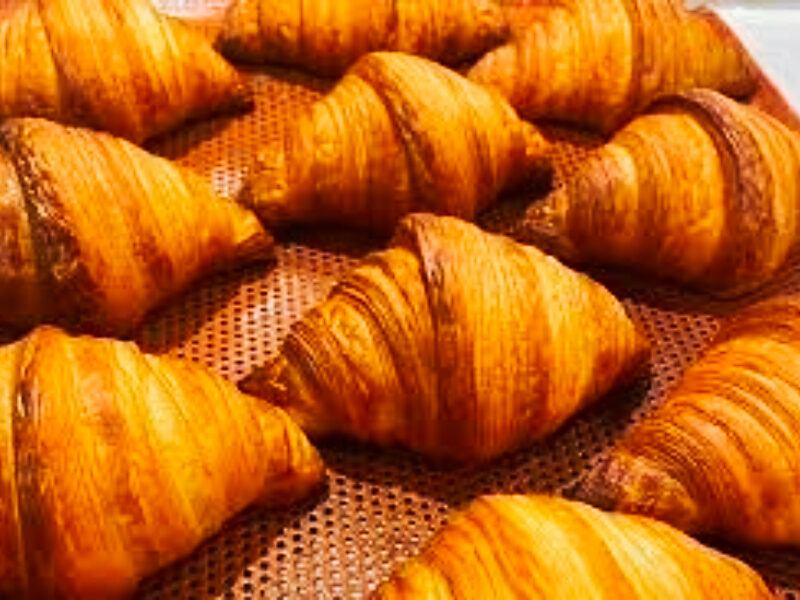
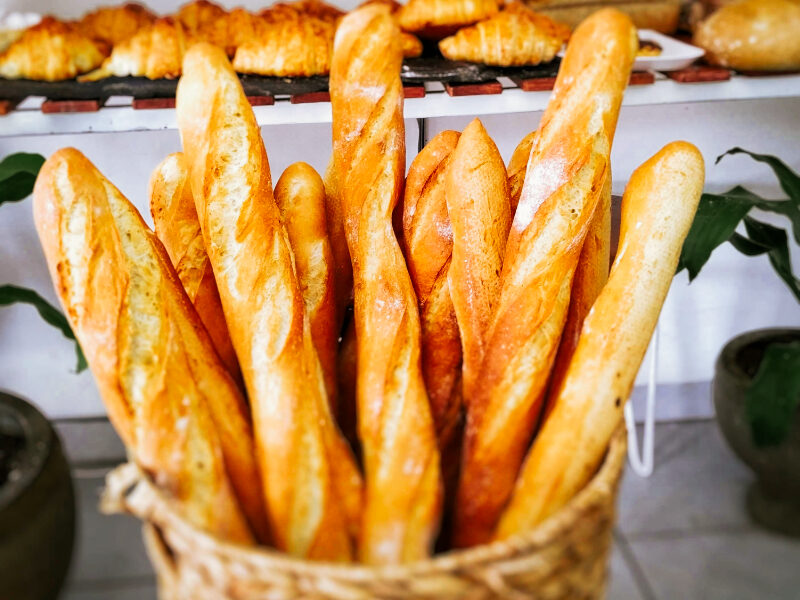
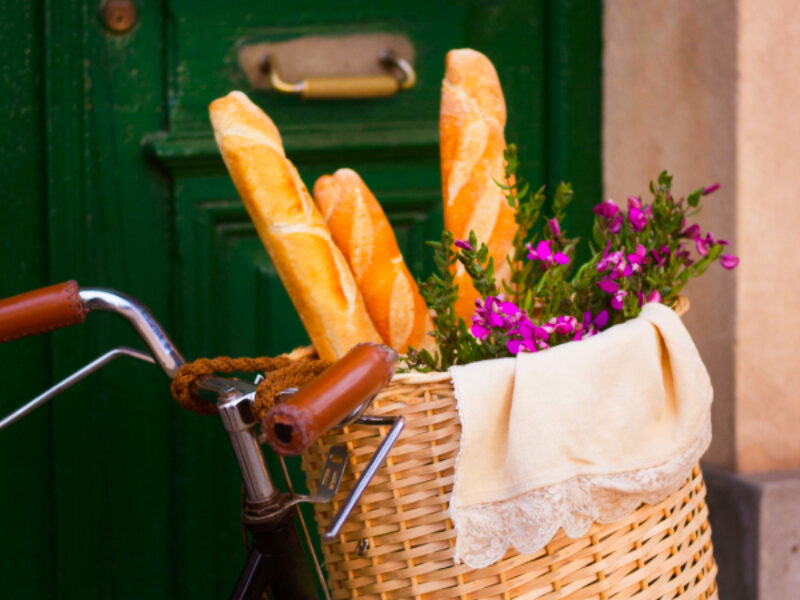
In the heart of the food and lifestyle of France, baking holds a sacred place. From flaky croissants to rustic country loaves, French cuisine has elevated baking into an artisanal tradition. Every village has its boulangerie, where the scent of warm bread is as comforting as it is culturally significant.

The art of French baking lies in its precision, patience, and respect for ingredients. Iconic items like the baguette, brioche, and pain de campagne are more than just food—they’re symbols of French culture and identity. Many of these techniques are centuries old, passed down from generation to generation, preserving the character of French daily life.

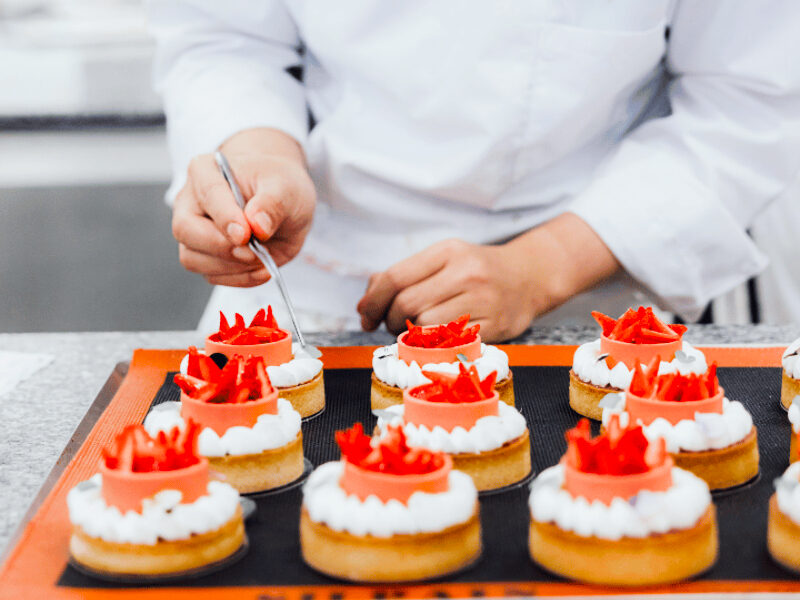
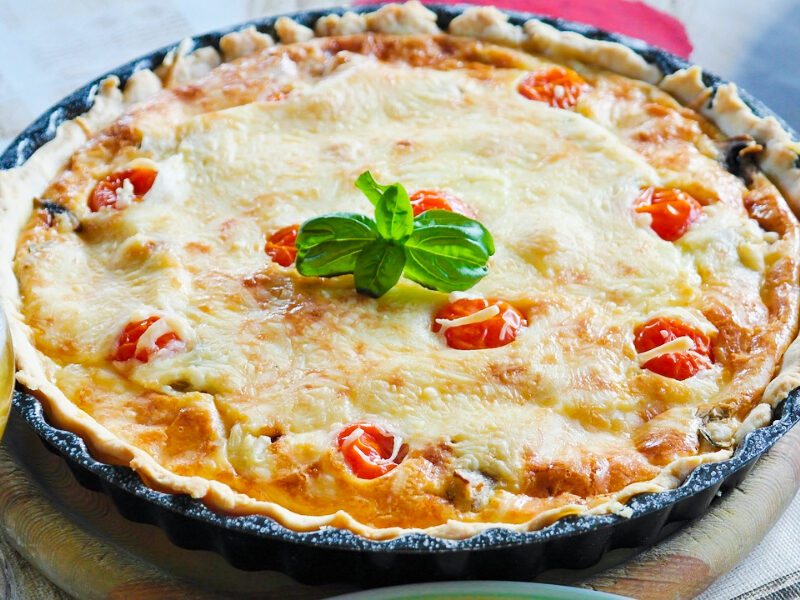
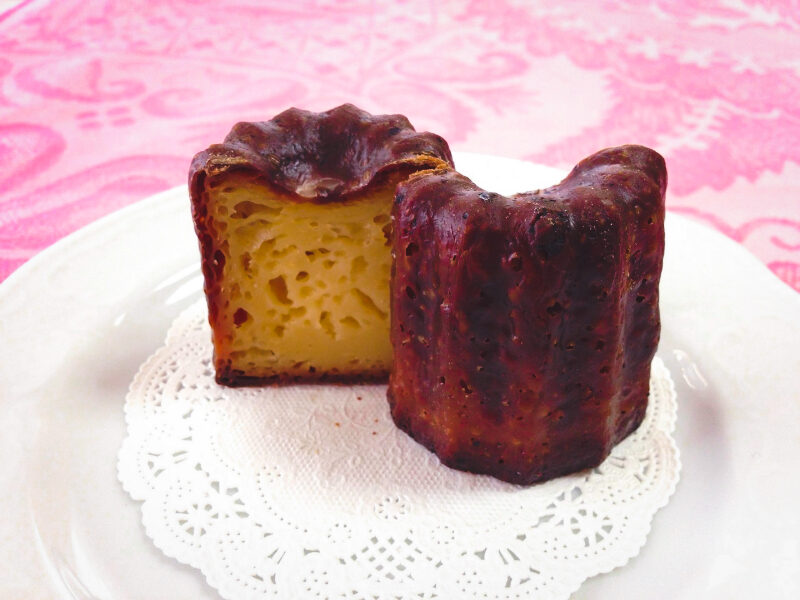
Pastry, too, is a delicate craft. Tarts, éclairs, and mille-feuilles require skill and creativity, often making their way from the baker’s oven to café counters and elegant dining tables across France. These baked goods are enjoyed not only for their taste but for the shared moments they create.

Baking in France is deeply personal and yet profoundly communal. It represents the intersection of tradition and everyday life, making it a cornerstone of both French cuisine and French culture. Within each loaf or tart lies the true flavor of the food and lifestyle of France.

French Cheese and Wine Pairing

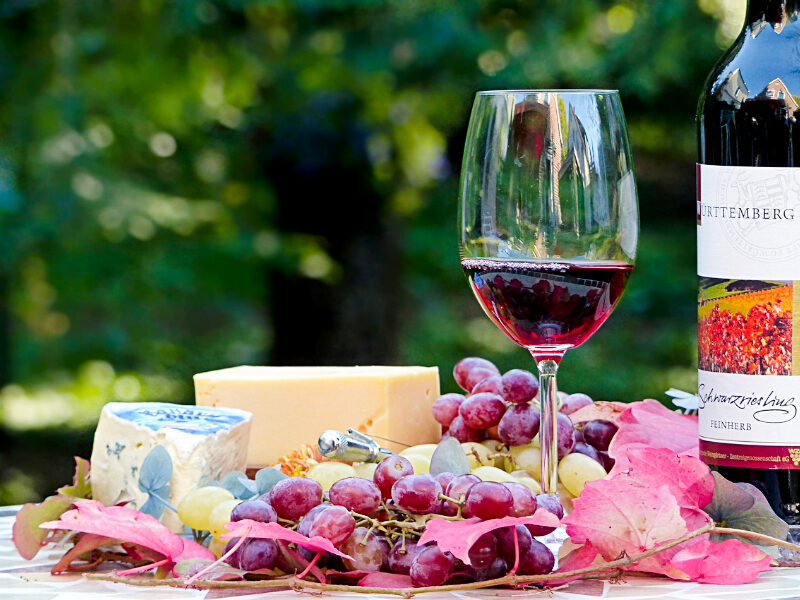
Few things capture the essence of the food and lifestyle of France quite like the art of cheese and wine pairing. This classic duo is at the heart of French cuisine, celebrated not just for its flavor but for its role in social gatherings and everyday rituals.


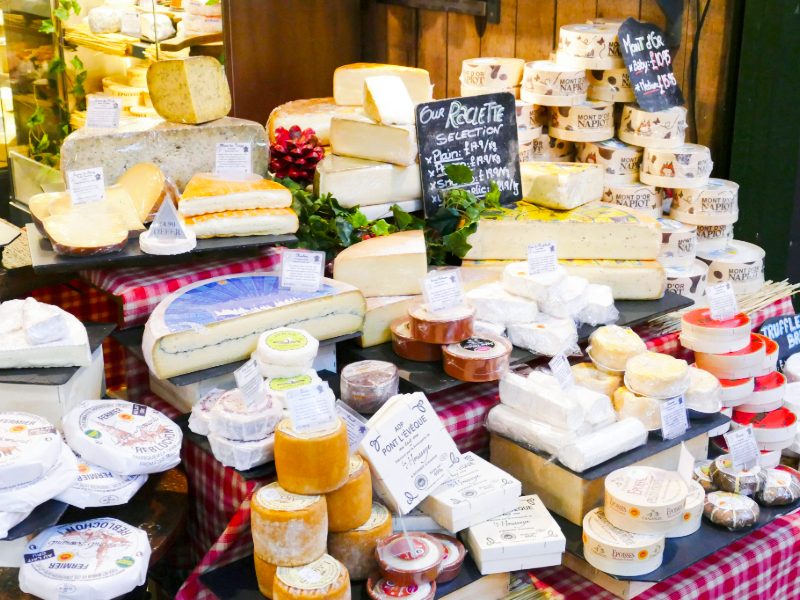
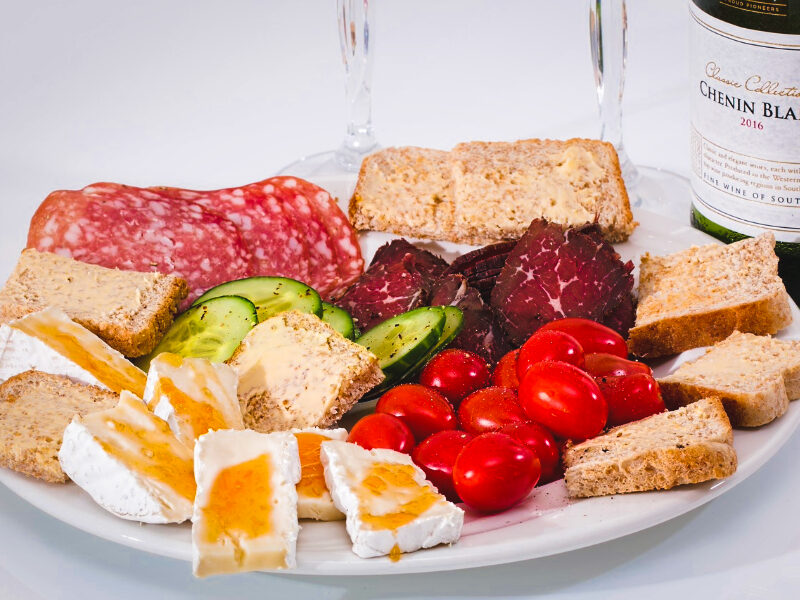
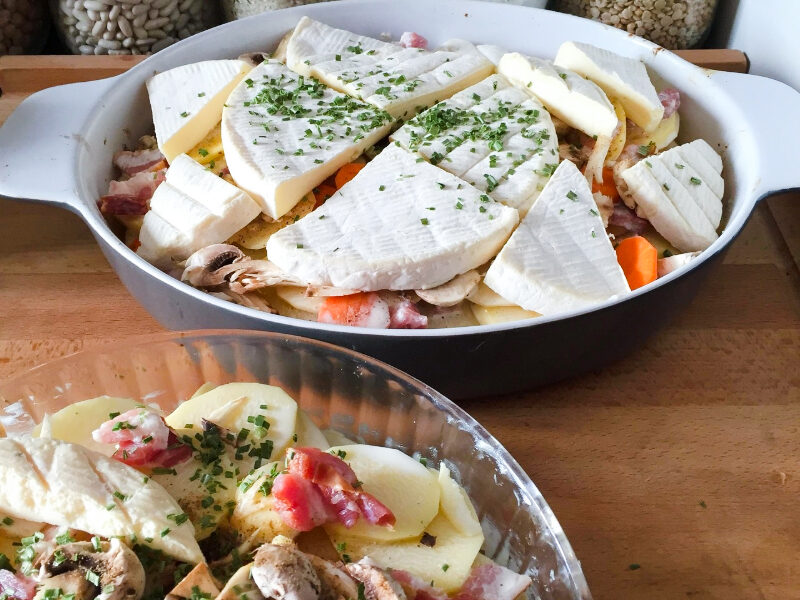
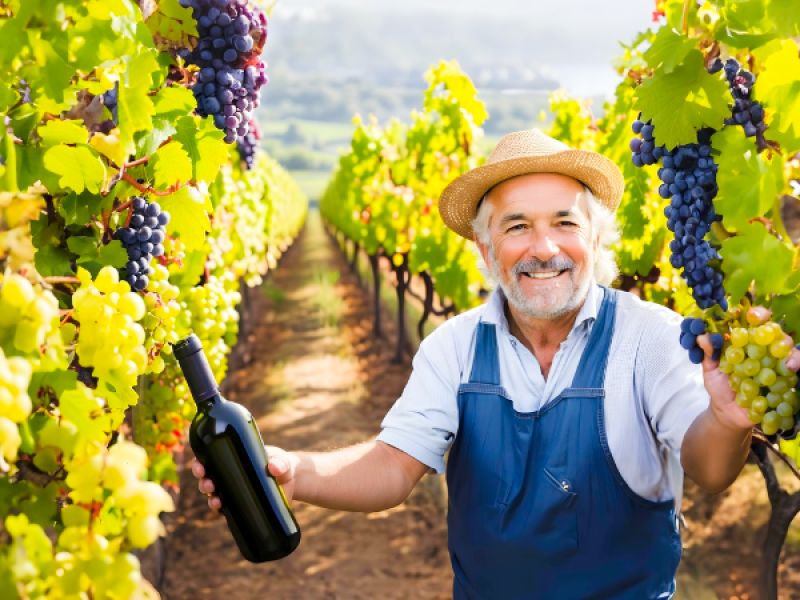
France is home to over 400 types of cheese, each with distinct textures, aromas, and regional origins. From the creamy brie of Île-de-France to the pungent Roquefort of the south, cheese reflects the agricultural richness of French culture. Paired with wines like Bordeaux, Burgundy, or Champagne, each bite and sip tells a story of land, tradition, and time.


The act of pairing cheese and wine is more than a meal—it’s an experience that reflects French daily life. Whether shared at a casual picnic or served at a formal dinner, it encourages conversation, appreciation, and a slower pace. Locals often select their pairings based on regional connections, enhancing the authenticity of the moment.


In homes, wine cellars and cheese boards are staples of hospitality. In restaurants, sommeliers and fromagers guide the experience. These pairings represent not only refined taste but also the cultural richness that defines the food and lifestyle of France.

Regional Cuisines of France

The food and lifestyle of France are as diverse as its geography, and nothing illustrates this better than its regional cuisines. Each area of France boasts its own culinary identity, shaped by history, climate, and local ingredients, making French cuisine a rich and flavorful tapestry of regional pride.


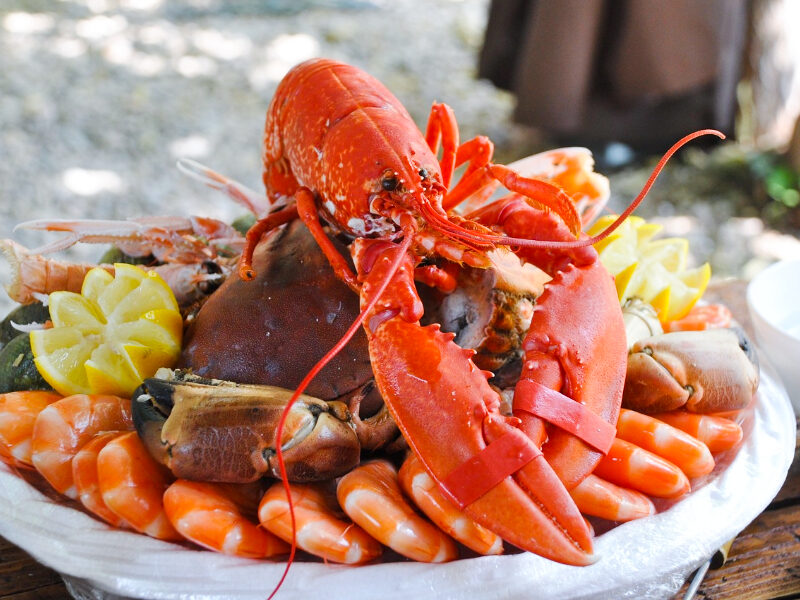
In the south, Provence is known for Mediterranean flavors—olive oil, garlic, herbs, and seafood dominate the table. Travel northwest to Brittany and you’ll find crepes, cider, and butter-rich dishes that reflect its coastal and Celtic roots. Alsace, bordering Germany, blends French culture with German influence, offering choucroute, sausages, and spiced cakes.


In Burgundy, hearty stews like boeuf bourguignon pair perfectly with robust red wines. Meanwhile, the Basque region introduces bold flavors with Espelette pepper, fresh cheeses, and tapas-style bites. Every region has its signature ingredients and preparations, reinforcing the deep connection between place and plate.


This regional variety is woven into French daily life. Markets brim with local specialties, families cook time-honored recipes, and festivals celebrate seasonal fare. The food and lifestyle of France thrive in this regional authenticity, where tradition meets creativity and every dish tells a story of community, land, and French culture.
French Markets and Fresh Produce

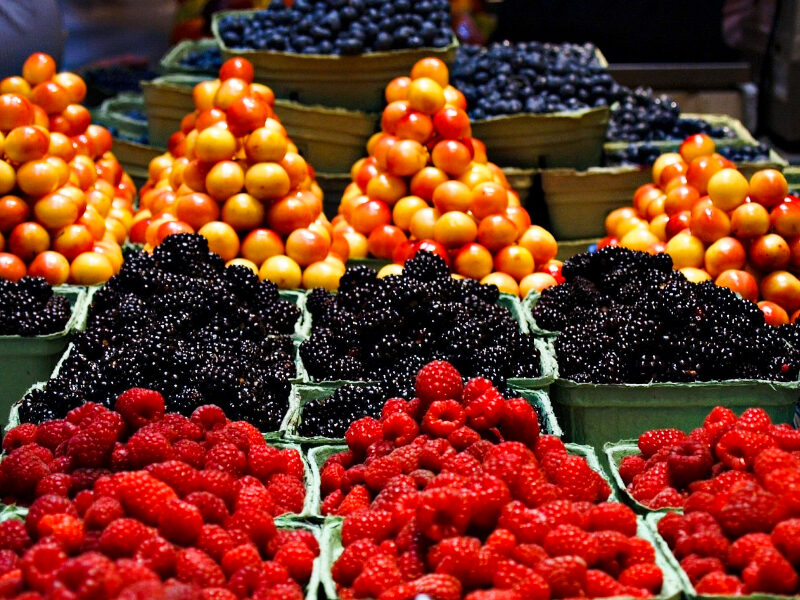
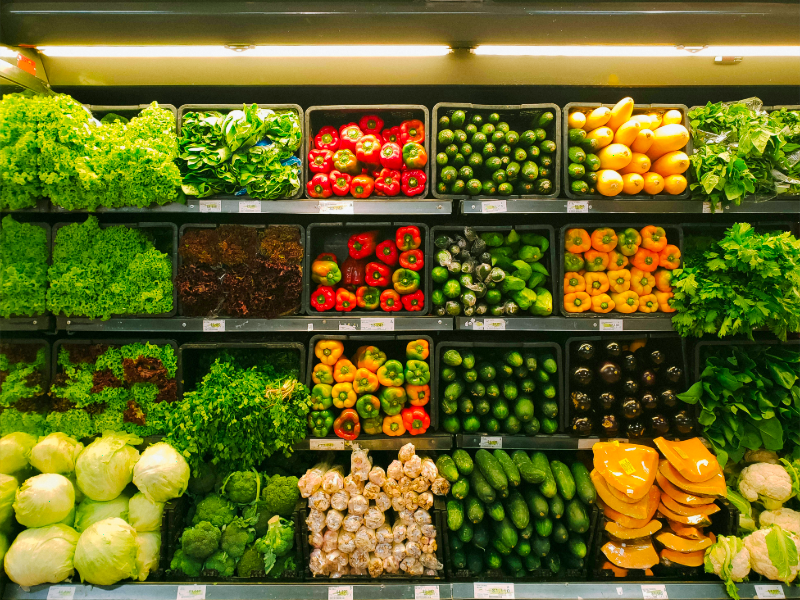
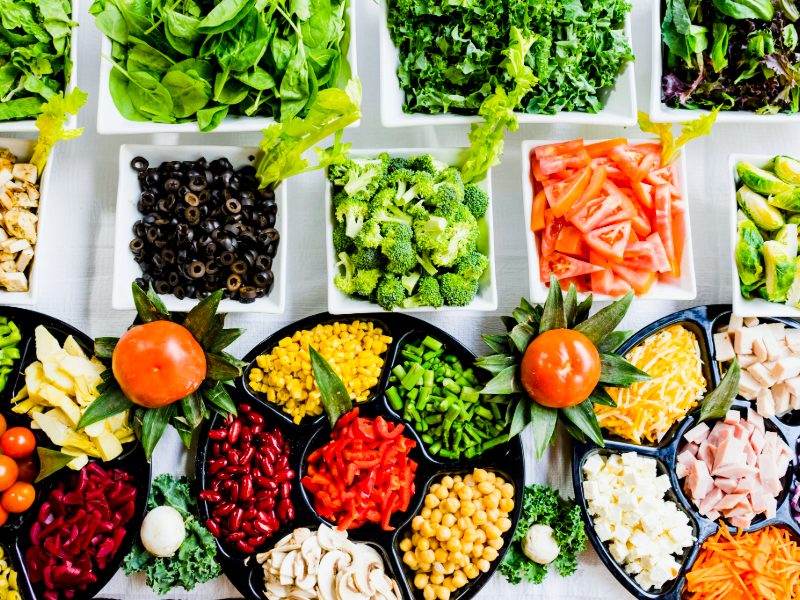
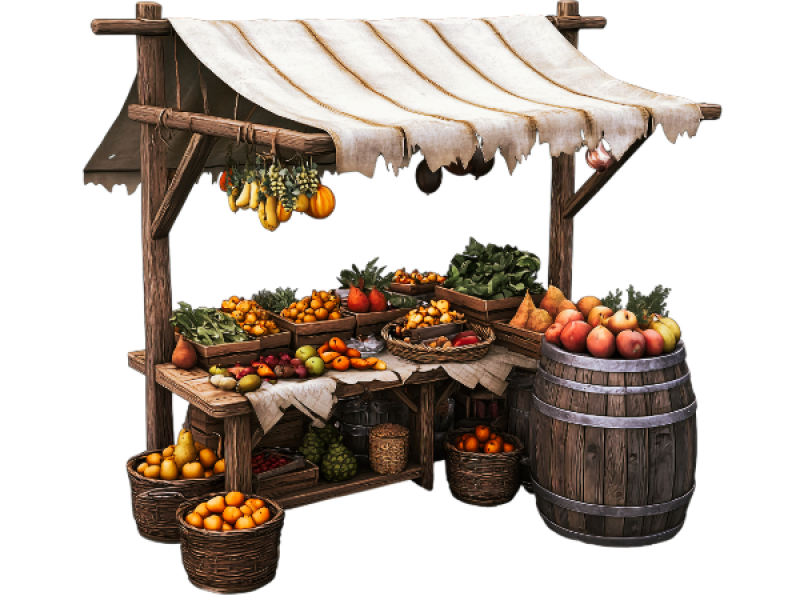
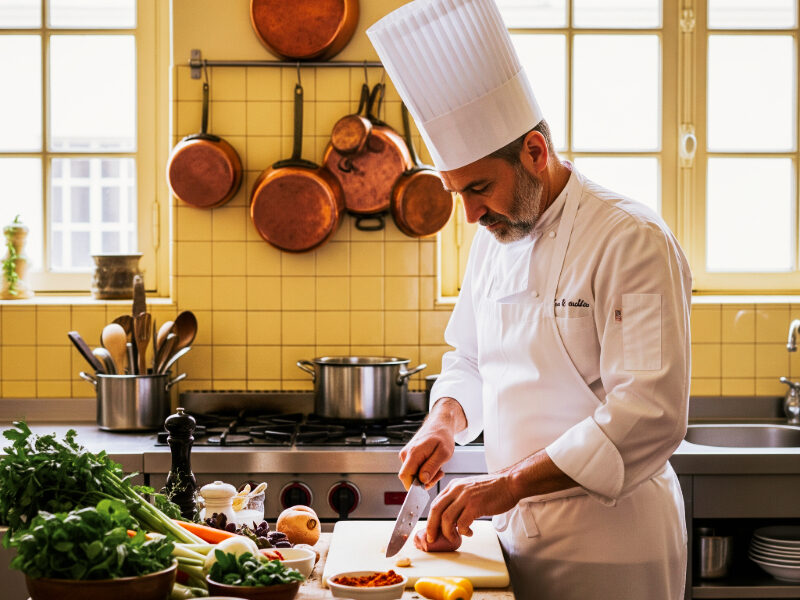
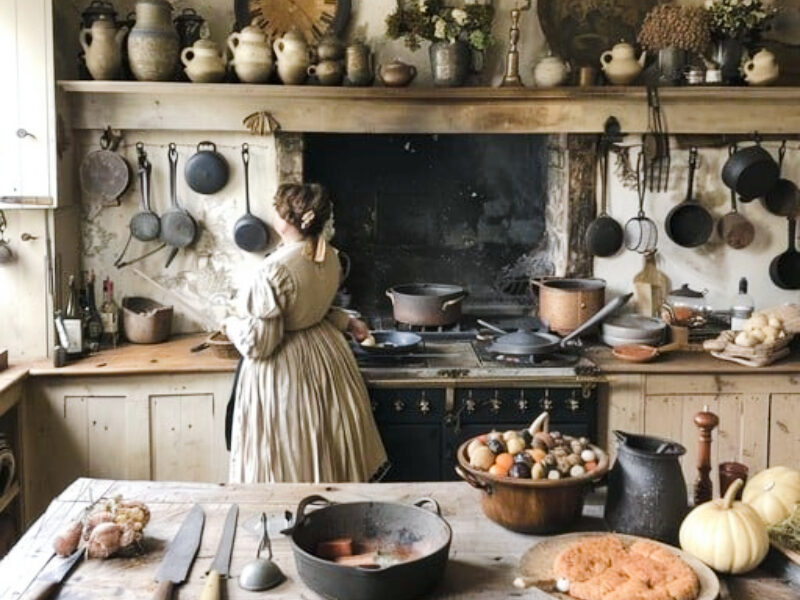
At the heart of the food and lifestyle of France lies a deep reverence for freshness, seasonality, and local produce—values that come alive in the vibrant open-air markets found across the country. These markets are more than just places to shop; they are daily rituals woven into French daily life.


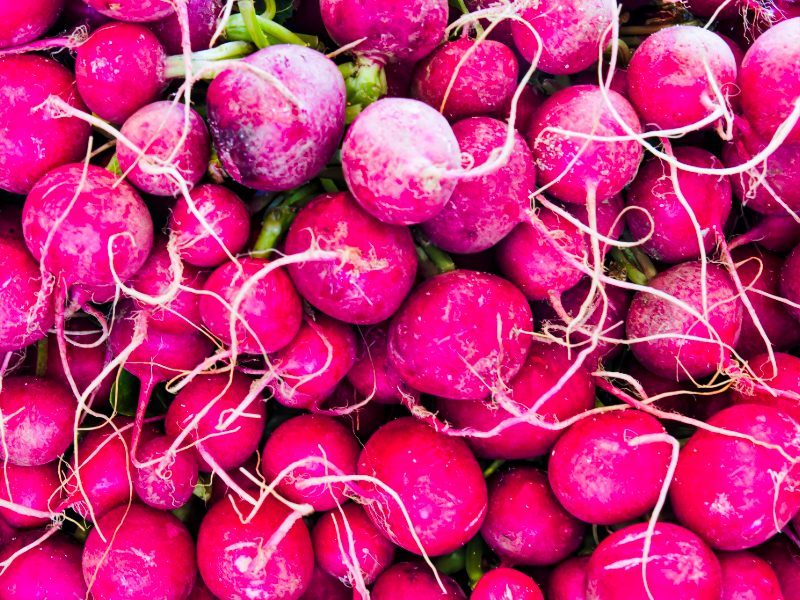
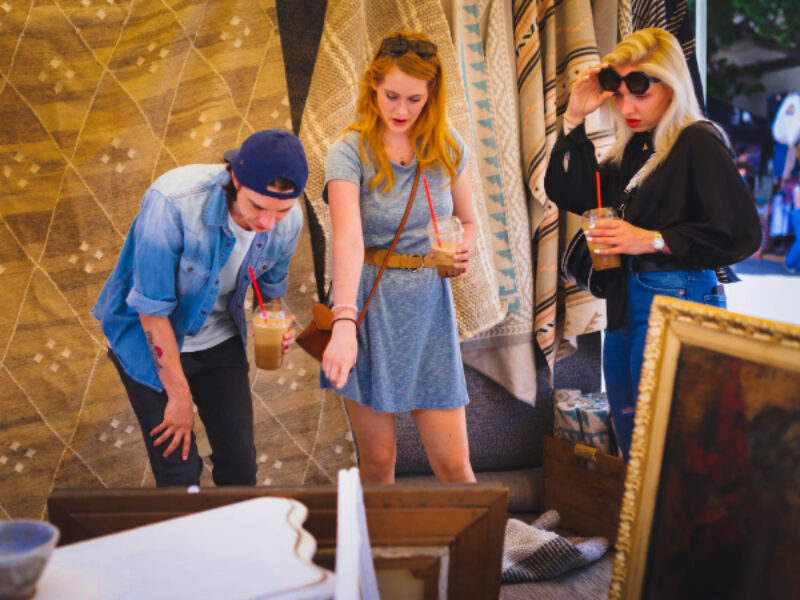
From the bustling stalls of Nice’s Cours Saleya to the quaint village squares in Normandy, French markets are overflowing with colorful vegetables, fragrant herbs, artisan cheeses, and fresh-baked bread. Shoppers engage directly with producers, discussing ripeness, recipes, and regional varieties—an interaction that’s central to French culture.

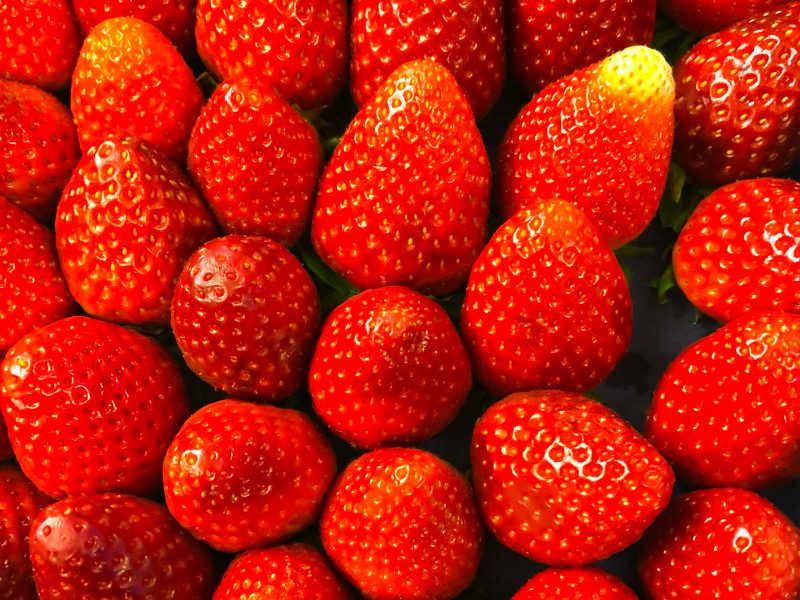
Seasonal eating is key in French cuisine. In spring, you’ll find tender asparagus and strawberries; in autumn, wild mushrooms and chestnuts take center stage. These ingredients not only shape meals but influence the pace of life, connecting people with nature and the land.


Markets also serve as social hubs. Neighbors gather, children sample local sweets, and cafés nearby buzz with conversation. This community spirit is a defining element of the food and lifestyle of France.


French markets represent authenticity and simplicity, celebrating flavor at its source. Through them, French culture remains rooted in its past while thriving in the everyday choices of modern life.

French Dining Etiquette

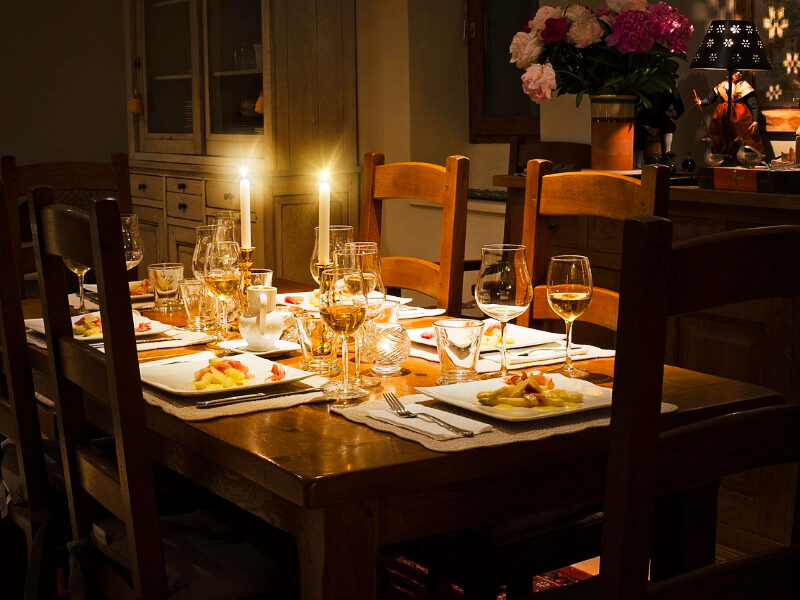
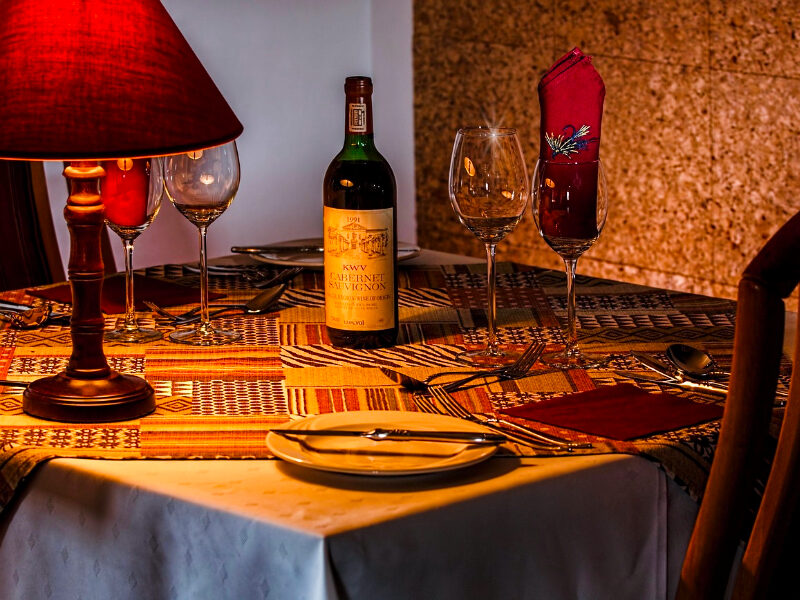
Dining in France is not just about eating—it’s a cultural experience rooted in elegance, tradition, and social connection. At the core of the food and lifestyle of France, proper table manners and rituals reflect the refinement of French culture and the thoughtful nature of French daily life.


Meals are considered sacred time, often lasting longer and involving more courses than in other countries. From the placement of cutlery to the timing of wine service, every detail of French cuisine is guided by etiquette. Saying “bon appétit” before beginning, keeping hands visible on the table (but not elbows), and never rushing through a meal are all hallmarks of proper dining conduct.


Whether at home or in a fine restaurant, the French emphasize quality over quantity. Courses typically include an entrée (starter), plat principal (main), cheese or salad, and dessert, often enjoyed with wine. Conversation flows between bites, and the meal becomes a moment of connection and relaxation.


Respect for food and the people preparing it is central to French daily life. By following dining etiquette, locals and visitors alike show appreciation for the food and lifestyle of France, where meals are celebrated as both an art and a tradition.

The Role of Pastry in French Lifestyle

Pastry holds a cherished place in the food and lifestyle of France, symbolizing both artistic mastery and everyday indulgence. From flaky croissants to decadent opera cakes, pastries are a cornerstone of French cuisine and a delightful reflection of French culture.

 

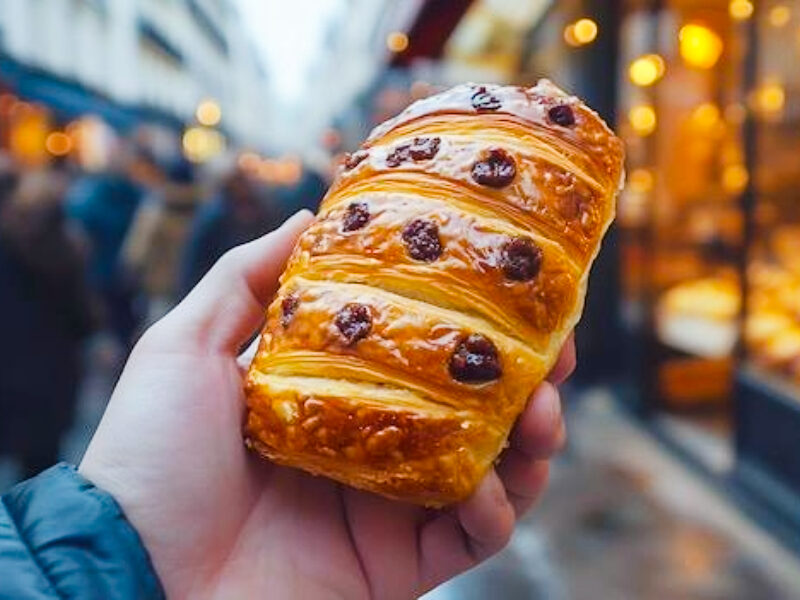
In France, pastry-making is considered a fine art. Patissiers undergo rigorous training to perfect classic techniques, from laminating dough to creating delicate creams and glazes. Their work is showcased in bakery windows that feel more like galleries than shops. Whether it’s a pain au chocolat enjoyed during a morning stroll or an elegant tarte citron served after dinner, pastries are woven into the rhythm of French daily life.


Sweet treats aren’t reserved for special occasions—they are an everyday luxury. Locals often visit their neighborhood pâtisserie to pick up a dessert, a tradition that fosters community and supports local artisans. Pastries accompany everything from café chats to family meals, adding beauty and flavor to simple moments.


This ritual reflects deeper cultural values: pleasure in moderation, appreciation for craftsmanship, and joy in the ordinary. Through its pastries, the food and lifestyle of France reveal a society that values elegance, comfort, and celebration in every bite.

French Coffee Culture

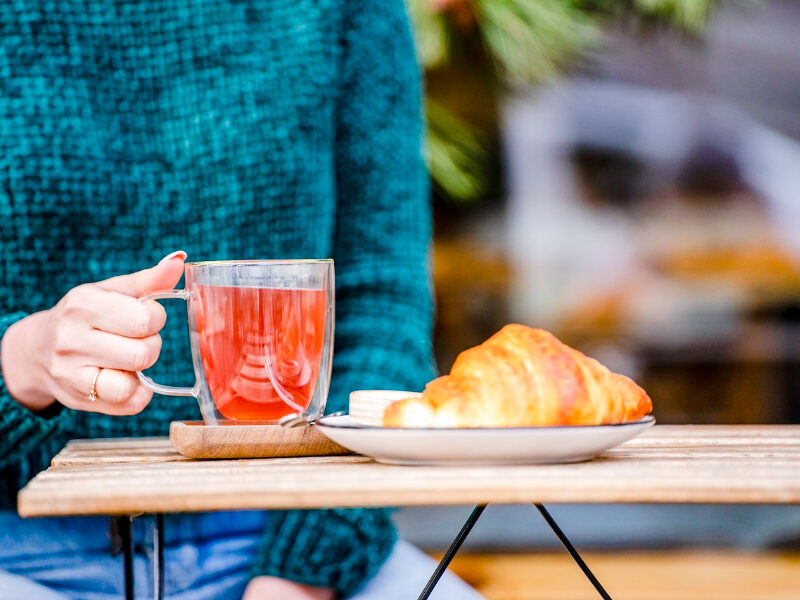
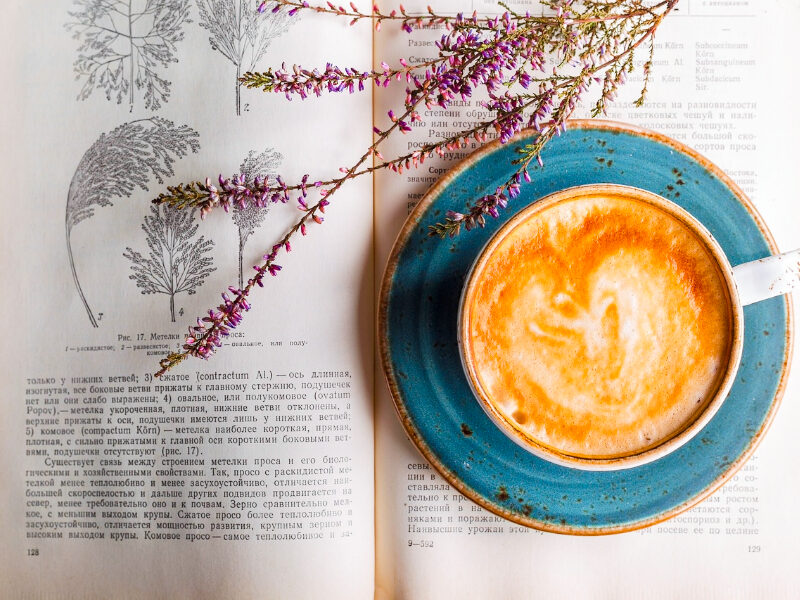
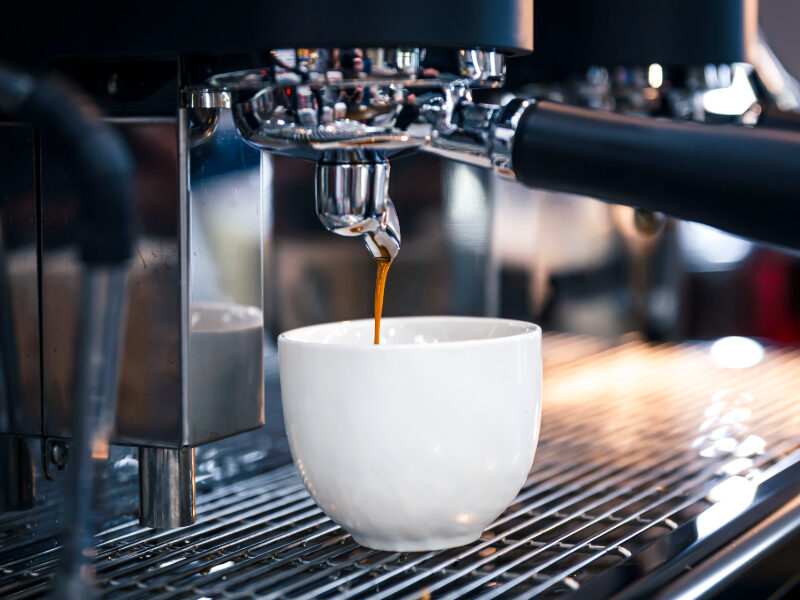
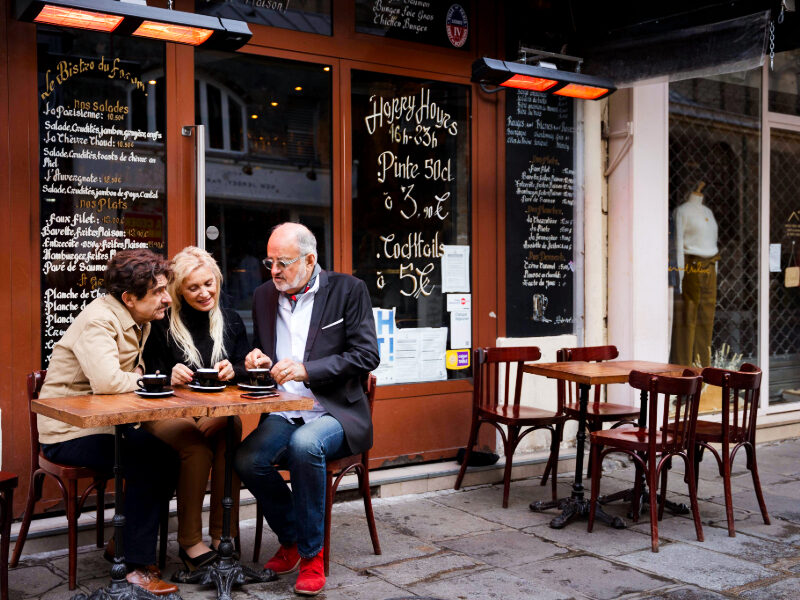
Coffee is more than a morning routine in France—it’s a cherished social ritual deeply embedded in the food and lifestyle of France. From quiet neighborhood cafés to bustling Parisian terraces, coffee plays a central role in French daily life, offering both pause and connection.


In French culture, coffee is usually simple: a strong espresso, a café crème, or a café au lait. Unlike fast-paced takeaway trends, French coffee is meant to be sipped slowly, often while reading, people-watching, or chatting with friends. It’s a moment of mindfulness and calm, reflecting the thoughtful pace of French cuisine and living.


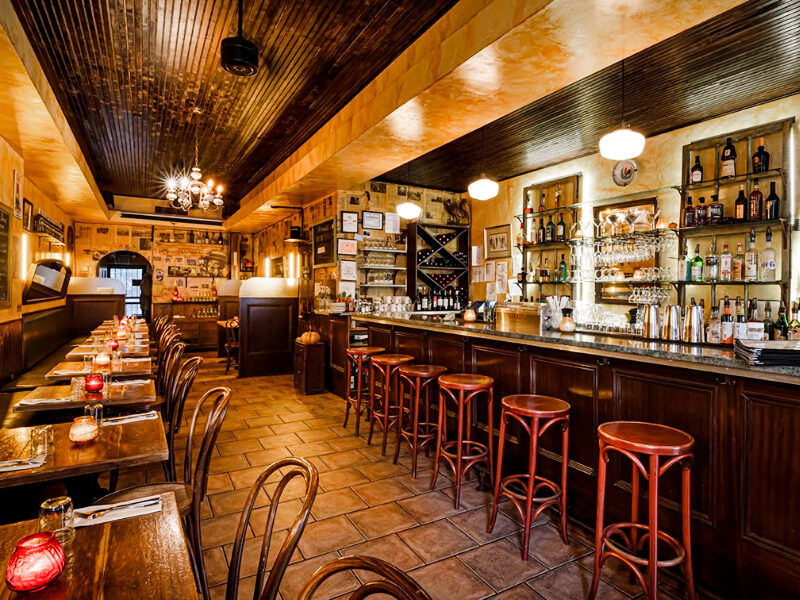
The café itself is an institution. Writers, artists, and locals have long gathered at these cultural landmarks to exchange ideas, debate politics, or simply enjoy the atmosphere. Whether in a quaint provincial town or a busy Paris boulevard, cafés serve as public living rooms, reinforcing the communal spirit of French daily life.

 

Coffee is also an integral part of meals—typically served after dessert, never with it. This ritual signals the close of a dining experience and invites lingering conversation.

 

Ultimately, French coffee culture reflects the values at the heart of the food and lifestyle of France: simplicity, savoring the moment, and celebrating everyday rituals.

Sustainable Food Practices in France

Sustainability is becoming a defining element of the food and lifestyle of France, as both consumers and producers embrace practices that honor the land, seasonality, and tradition. Rooted in the principles of French cuisine and French culture, these efforts reflect a growing desire to protect resources while preserving flavor and quality.


Farmers’ markets, organic cooperatives, and farm-to-table restaurants are now common throughout France. These outlets prioritize local ingredients, reduce transportation emissions, and support small-scale producers—all while offering some of the freshest foods in French daily life. Consumers are increasingly conscious of sourcing, seeking out labels like AOP (Appellation d’Origine Protégée) that guarantee quality and origin.


In many French homes, food waste is minimized. Leftovers are creatively reused, portions are thoughtfully prepared, and composting is widely encouraged. This mindful approach to consumption is not a trend—it’s a reflection of values long held in French culture: respect for nature, artisanship, and balance.


Even in urban areas, rooftop gardens and community-supported agriculture programs are thriving. These modern innovations align with the timeless rhythms of French cuisine, where eating seasonally and locally is both practical and pleasurable.


Sustainable food practices are helping to shape a responsible future—an essential part of the evolving food and lifestyle of France.

Festive Foods and Celebrations

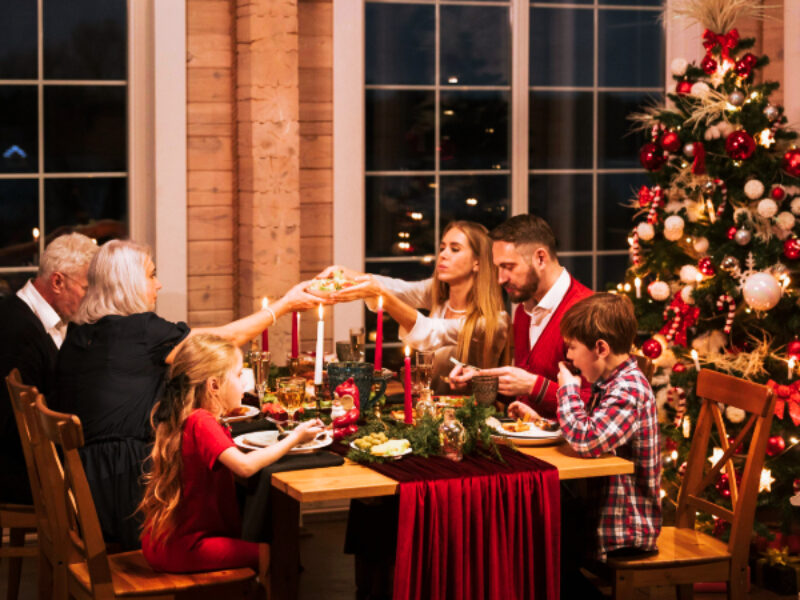
In France, food is central to every celebration. The food and lifestyle of France come alive during holidays, festivals, and family gatherings, where traditions are honored through delicious, symbolic dishes. These occasions reflect the deep connection between French cuisine, French culture, and the joy of shared experiences in French daily life.


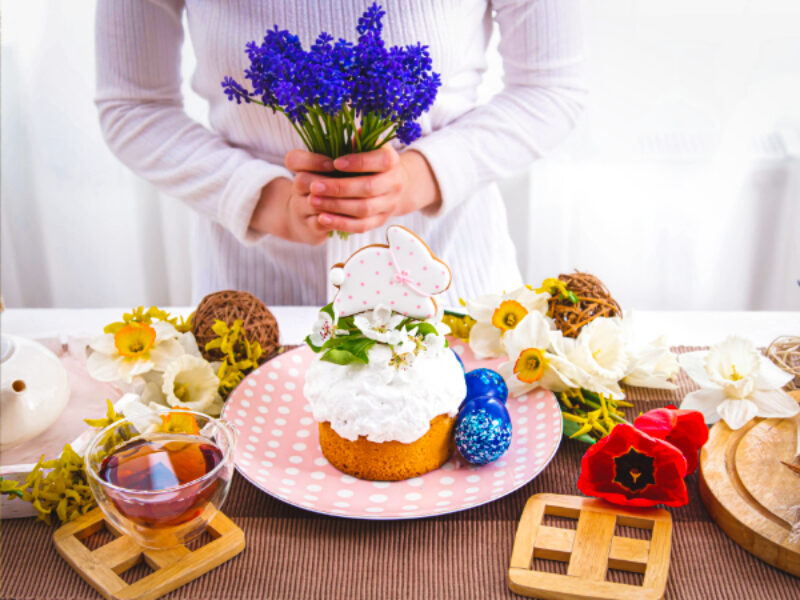
Christmas, for example, features indulgent feasts that include roasted meats, foie gras, oysters, and the iconic bûche de Noël. At Easter, lamb is the centerpiece, served with spring vegetables and often followed by sweet treats like chocolate eggs and bells. Bastille Day brings picnics and barbecues under the summer sun, showcasing regional fare and local wines.


Each region has its unique festive foods—Galette des Rois in January celebrates Epiphany with a flaky pastry filled with almond cream, while crêpes take center stage on Candlemas (La Chandeleur), symbolizing prosperity. Weddings, baptisms, and milestone birthdays all involve carefully chosen menus that honor family heritage and regional pride.


In every case, food elevates the moment, strengthening community bonds and preserving cultural identity. These traditions are more than meals—they are heartfelt expressions of the food and lifestyle of France, where celebration and French culture are always served at the same table.

French Street Food and Modern Trends

While France is known for its elegant dining, the rise of street food and contemporary culinary trends is reshaping the food and lifestyle of France in exciting ways. Blending tradition with innovation, these modern influences offer a fresh perspective on French cuisine, deeply rooted in French culture and reflective of evolving French daily life.


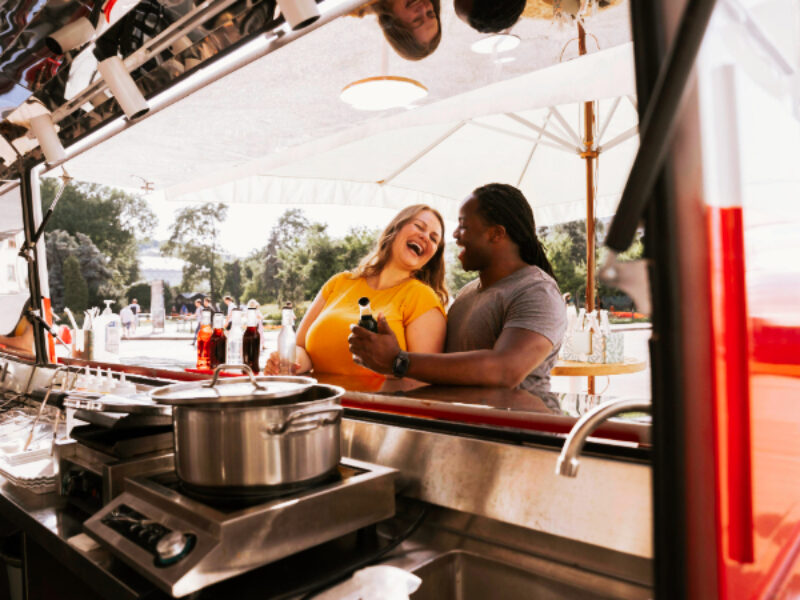
In cities like Paris, Lyon, and Marseille, food trucks and market stalls serve gourmet takes on local favorites. Galettes from Brittany, socca from Nice, and baguette sandwiches filled with artisan cheese and cured meats are just a few examples of how classic flavors meet convenience. Meanwhile, international fusion—like Vietnamese-French bánh mì or Moroccan-inspired couscous wraps—celebrates France’s multicultural influences.


Modern food trends also reflect lifestyle shifts. Organic, vegan, and gluten-free options are increasingly common, showing how the food and lifestyle of France continues to adapt while honoring its values of quality and seasonality. Even casual bites are crafted with care, emphasizing fresh ingredients and culinary craftsmanship.


Street food has also become a part of French daily life, especially among younger generations who seek affordable, flavorful options without sacrificing authenticity. These evolving trends ensure that French cuisine remains dynamic, diverse, and always delicious.

French Lifestyle Beyond the Plate

The food and lifestyle of France extend far beyond what’s served on the table. They embody a way of living that values balance, beauty, and the simple pleasures of everyday life. Rooted in French culture and reflected in French daily life, this lifestyle celebrates not just food, but how it’s shared, enjoyed, and integrated into a broader cultural rhythm.


A typical French day revolves around more than meals—it includes time for conversation, walking, reading, and reflection. Markets and cafés are social spaces where people connect over coffee or fresh produce. Mealtimes are rarely rushed, as they offer moments to pause and savor, reinforcing the deep respect for French cuisine and quality of life.


Beyond dining, the French lifestyle embraces aesthetics and tradition—evident in art, architecture, fashion, and design. Everything, including food, is approached with mindfulness and an appreciation for craftsmanship. From setting a beautiful table to choosing seasonal ingredients, small details matter.


This holistic approach to living makes the food and lifestyle of France a model of cultural richness. It’s not just about what you eat, but how you live—with intention, community, and a touch of elegance. That’s the true essence of French culture—deliciously lived, every day.